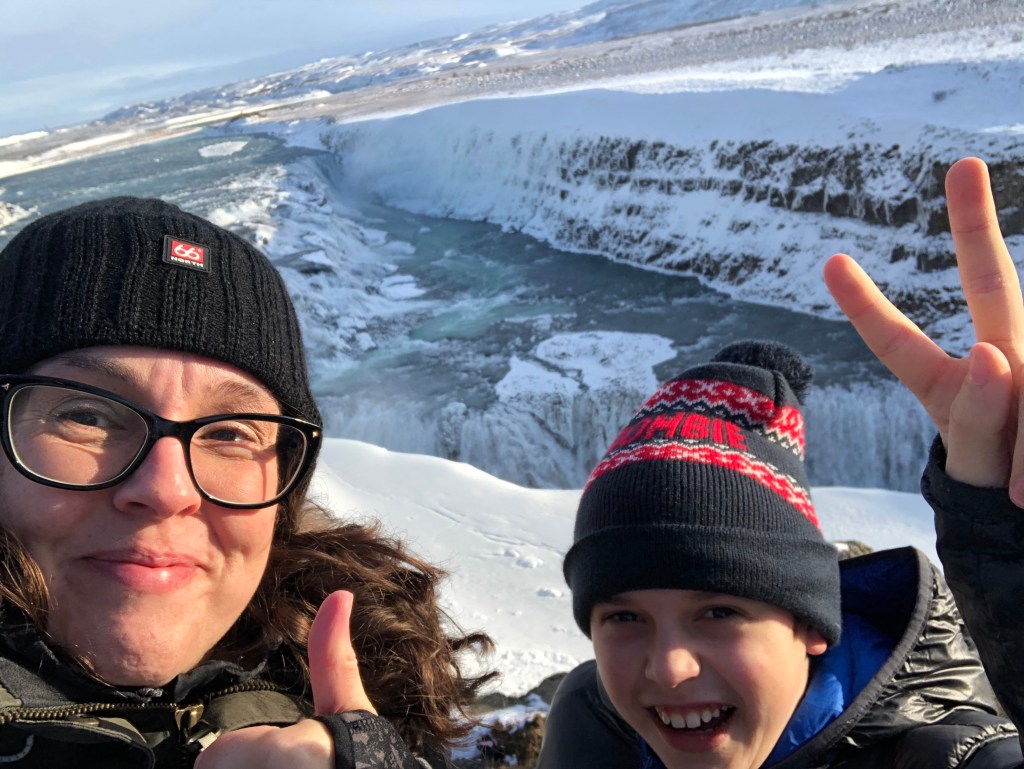
Our latest adventure was a truly epic trip to the natural beauty that is Iceland – by far our best yet!
We’d heard that Iceland is one of the most beautiful and unique places on earth, but nothing prepared us for its otherworldly landscapes made just that little more special with the blanket of snow and ice during our winter visit.
Just below the Arctic Circle and one of the most geologically active places in the world, Iceland has an abundance of natural wonders that you just don’t find elsewhere – epic volcanoes, mountains, glaciers, spectacular waterfalls, huge fjords, lava fields, geysers and hot springs. It’s a land of extremes, not only of fire and ice but also light and darkness with long summer days with 24 hours of sunlight balancing the short winter days that see only a few hours of daylight.
A bit about this magical land
It wasn’t just the natural wonders we fell in love with but also the traditional yet progressive Icelandic way of life, quirky to some but not to us.
What’s not to love about a culture that is rich Viking sagas and folklore where people believe in huldufólk (hidden people e.g. elves, trolls and fairies) – or least respect the myths that surround them. There is a dynamic art scene and what other country has given us Björk, Sigur Rós as well as Lazy Town? Icelanders are obsessed with their horses (don’t ever call them ponies!) and are the best makers of lopapeysa, cool woollen jumpers that everyone wears as a sort of unofficial national dress. For the boy it was the sheer amount of monster trucks on the roads that impressed him most.
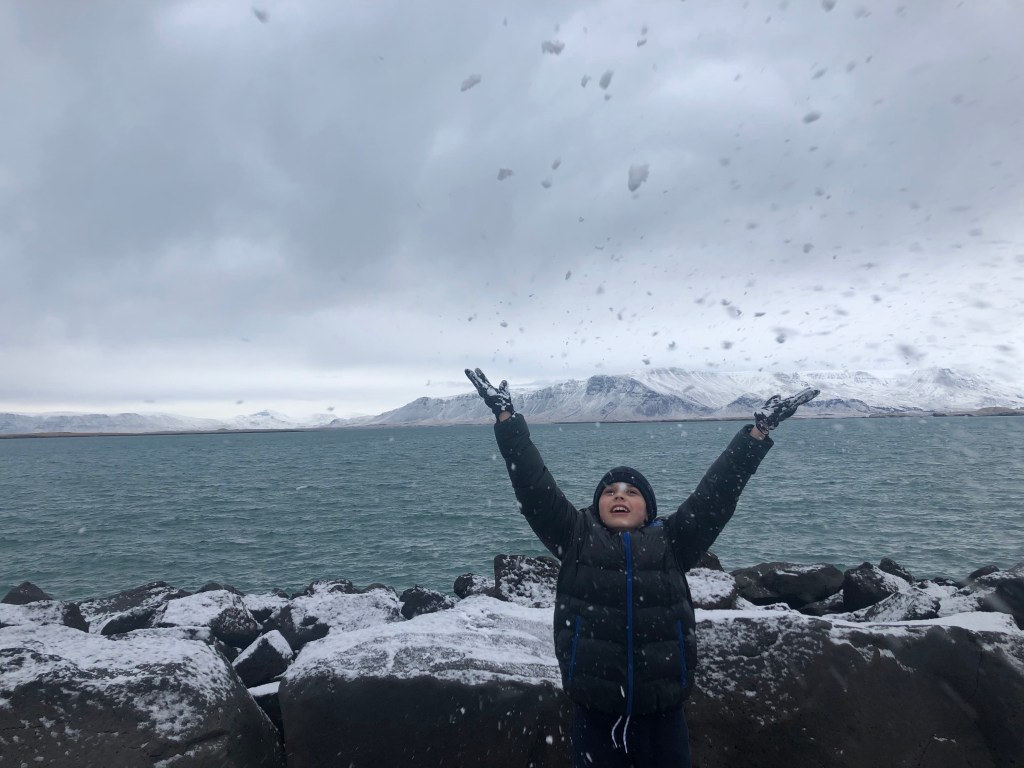
With an estimated total population of only 341,243 (around 64% live in the capital Reykjavík), Iceland has an incredibly low crime rate and ranks as one of the top happiest and environmentally friendly places on earth. Icelanders also have one of the highest standards of living/ life expectancy rates despite its isolation, extreme weather and sheer forces of nature.
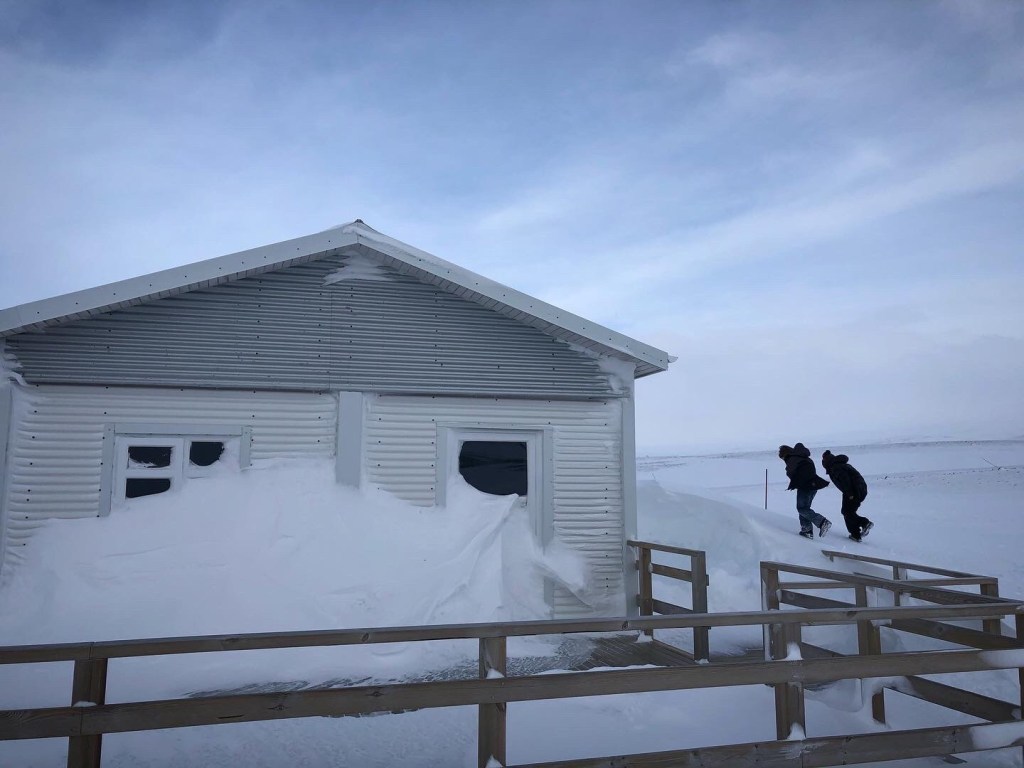
#TWMT Tip – check the weather several times a day as it’s extremely changeable, especially if driving – seriously the Icelandic saying “there is no such thing as bad weather, just bad clothing” really is true and best not to be caught out or worst still have to be rescued!
One of our coach drivers explained how facing such regular adversity has shaped the Icelandic people who are resilient, practical and live by a Þedda redast (it’ll all work out in the end) philosophy. They may have a rather reserved reputation, but we found the Icelanders we met easy going with a great sense of humour – one explained that elves are essentially little pricks and amused us both! Although everyone speaks excellent English if you gave speaking in Icelandic a go it was certainly appreciated and you’d be helped with pronunciations.
#TWMT Tip – learn some basic Icelandic and try it out. Top words are: Hae/ Hae-Hae (Hi), Bless (goodbye), Takk (thanks), Vinsamlegast (please), Já (yes pronounced ‘yo’ in a brummy accent), Nei (no)
Although the economic crash of 2008 plunged Iceland into a crisis it is a country that has bounced back, conversely helped by the eruption of the now infamous Eyjafjallajökull volcano in 2010. Despite the global air travel consequences this event raised Iceland’s profile and put it on the map as a must-do tourist destination. Tourism has now surpassed fishing as the number one industry in Iceland and over 2 million people a year visit this wonderful place.
Iceland is steeped in tradition, yet is also forward-looking, modern and becoming a technologically and digitally advanced country. The majority of the country is powered by renewable geothermal energy, pretty much cashless where card payments are accepted everywhere and is served by excellent mobile phone/WiFi coverage – far better than in the UK, I even had signal up on the top of a remote glacier!
I could write endlessly about wonderful Iceland and have included links to a few interesting articles and blogs at the end if you want to read more, but as this a blog about our trip onwards we go…
Our Icelandic Adventure
To make our first trip to Iceland easier given the winter conditions we opted for a package over a self-drive holiday with Tui that included two organised tours – the Golden Circle and Northern Lights with the option for other experiences at extra cost. Based in Reykjavík for four days our adventure only covered part of the South/Western area and involved long days on the road. But it was worth it and the coach journeys themselves took in some amazing scenery. Below is an attempt at summarising the highlights of what was a too short but jam-packed adventure.
Reykjavík
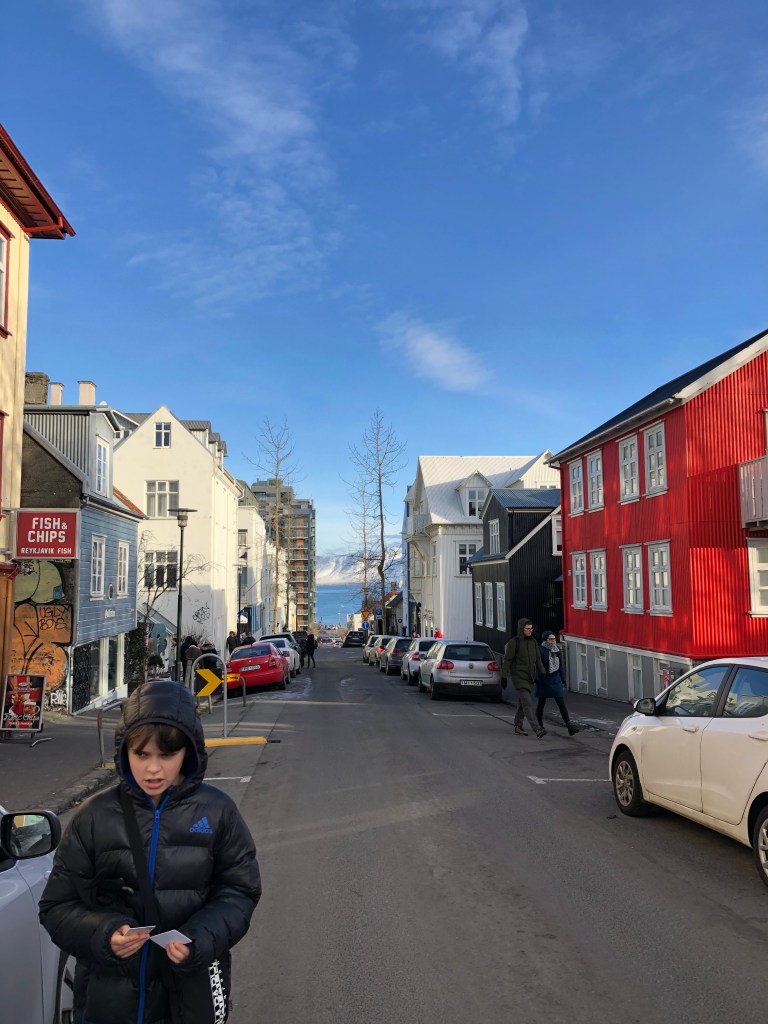
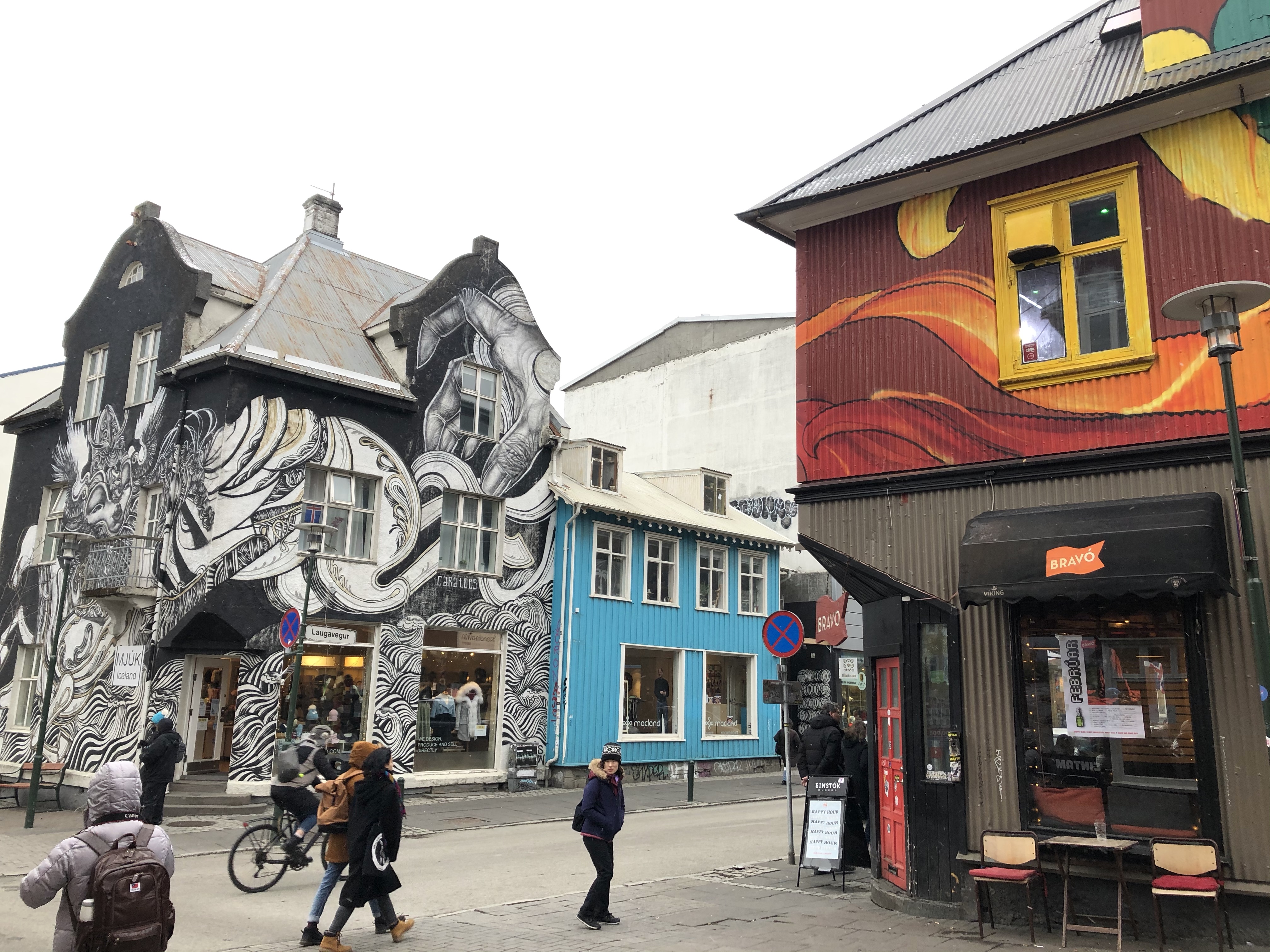
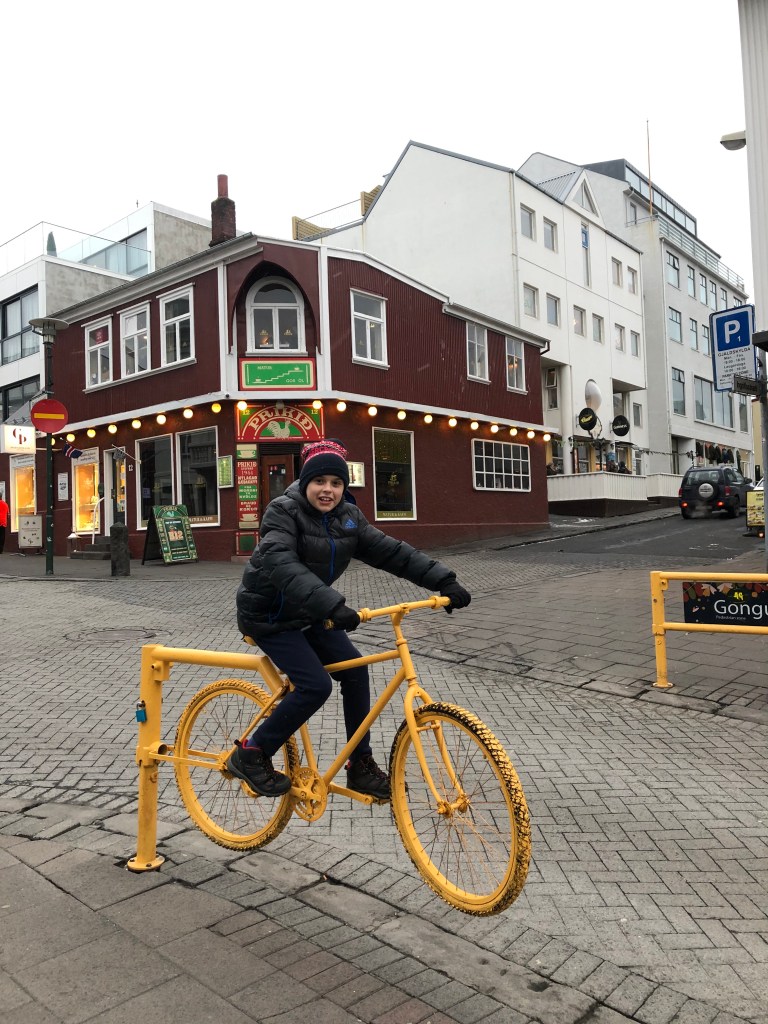
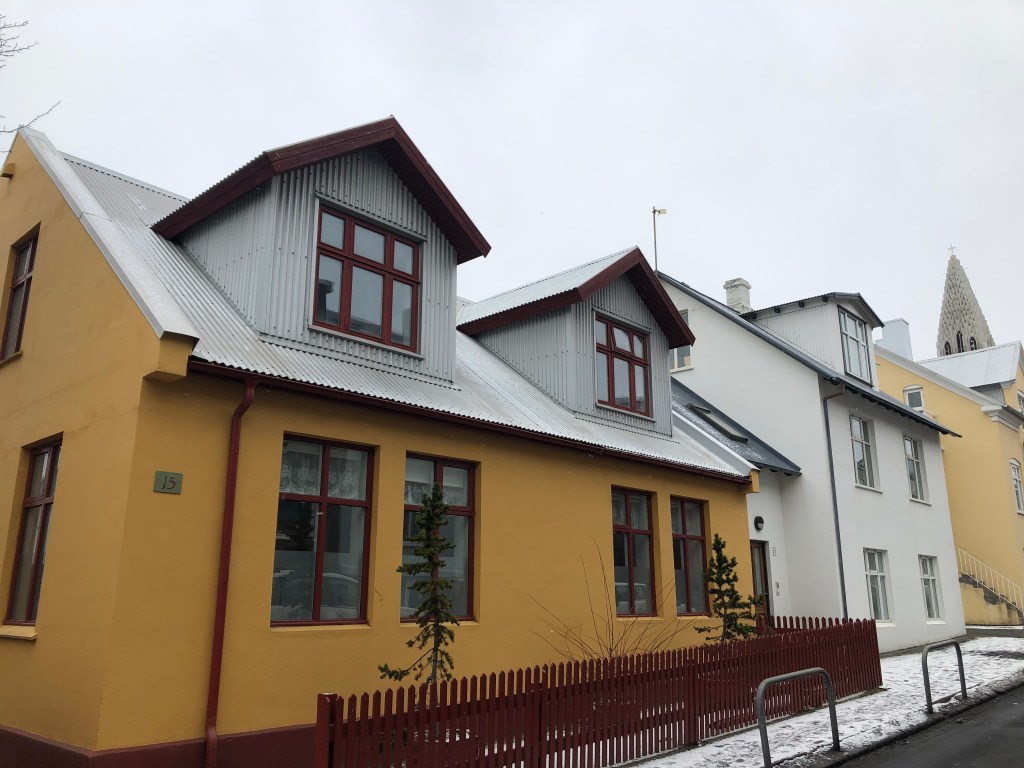
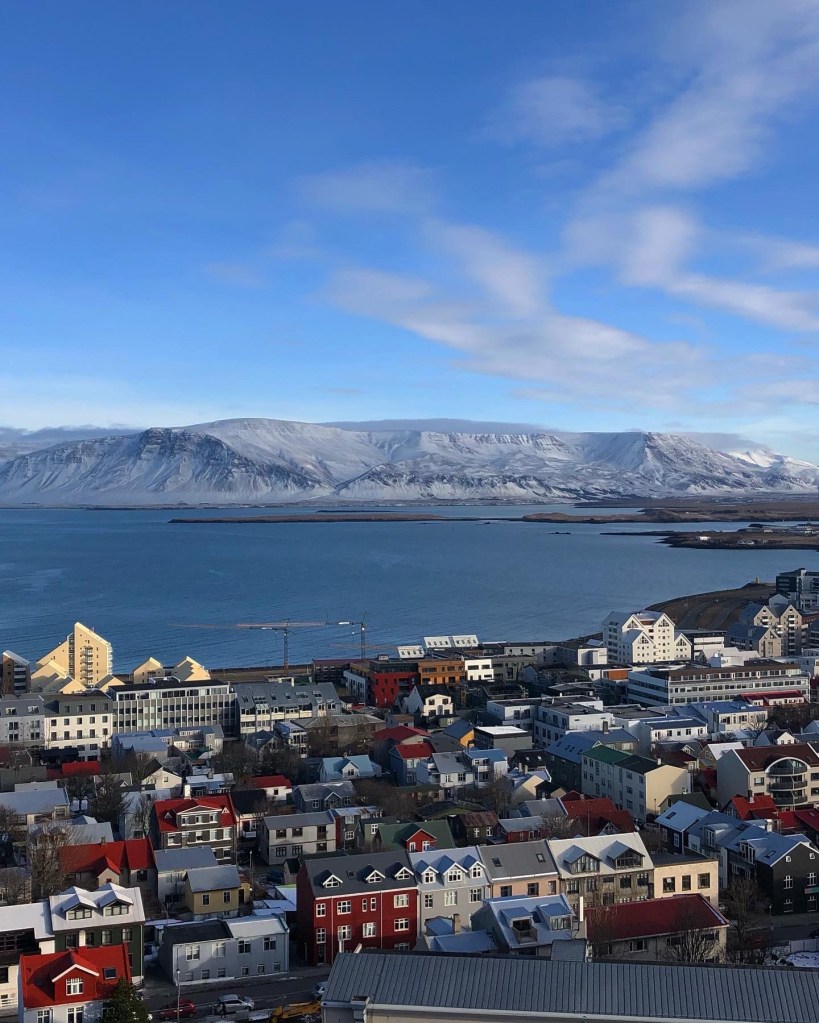
The world’s northernmost capital Reykjavík has heaps of charm with Mount Esja and the Atlantic Ocean providing the most dramatic and beautiful backdrop to a city we’ve ever seen. By foot is certainly the best way to see this incredibly picturesque and compact city, you can pretty much stroll end-to-end of central Reykjavik in 30 minutes. That way you’ll spot all the cool street art and admire all the cute colourful corrugated iron houses sat alongside stunning modern architecture.
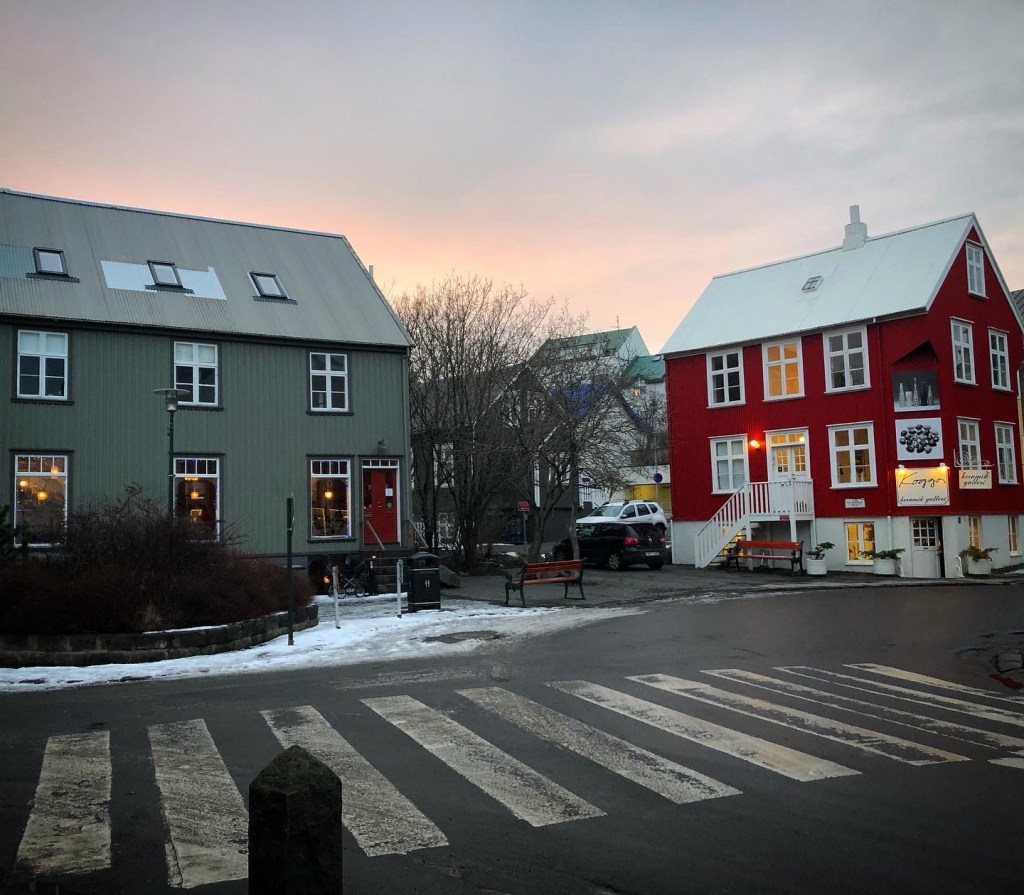
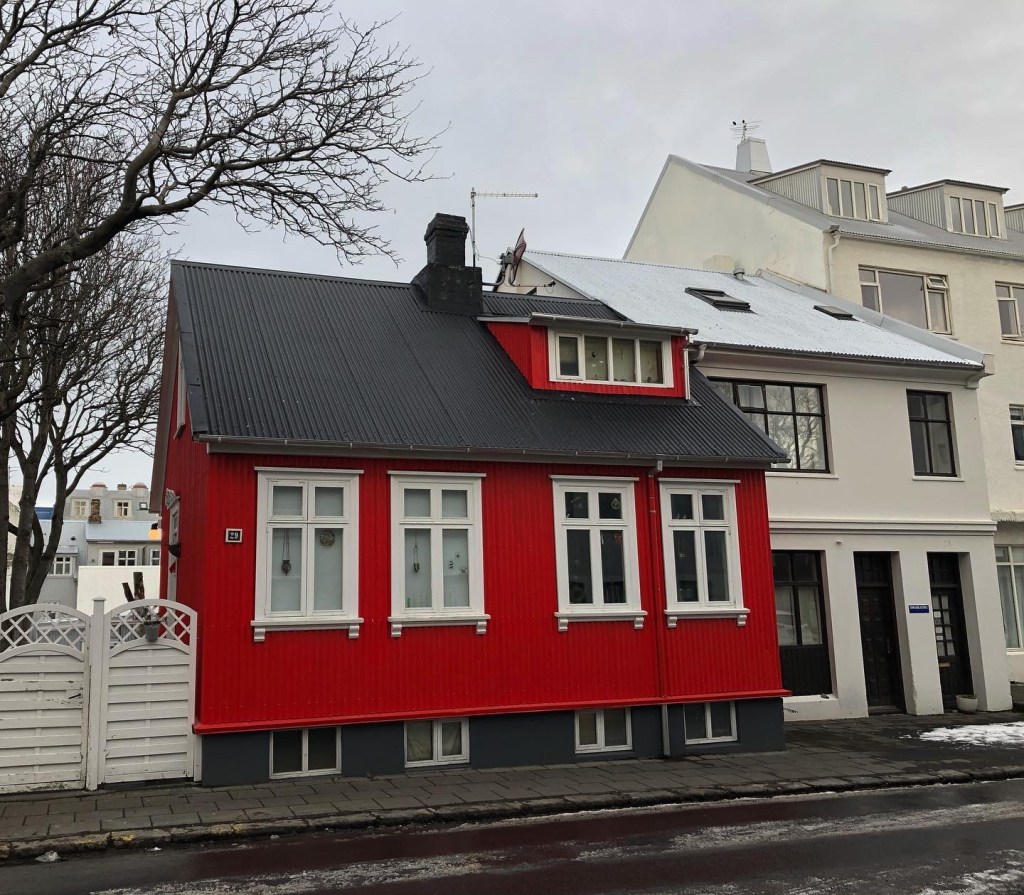
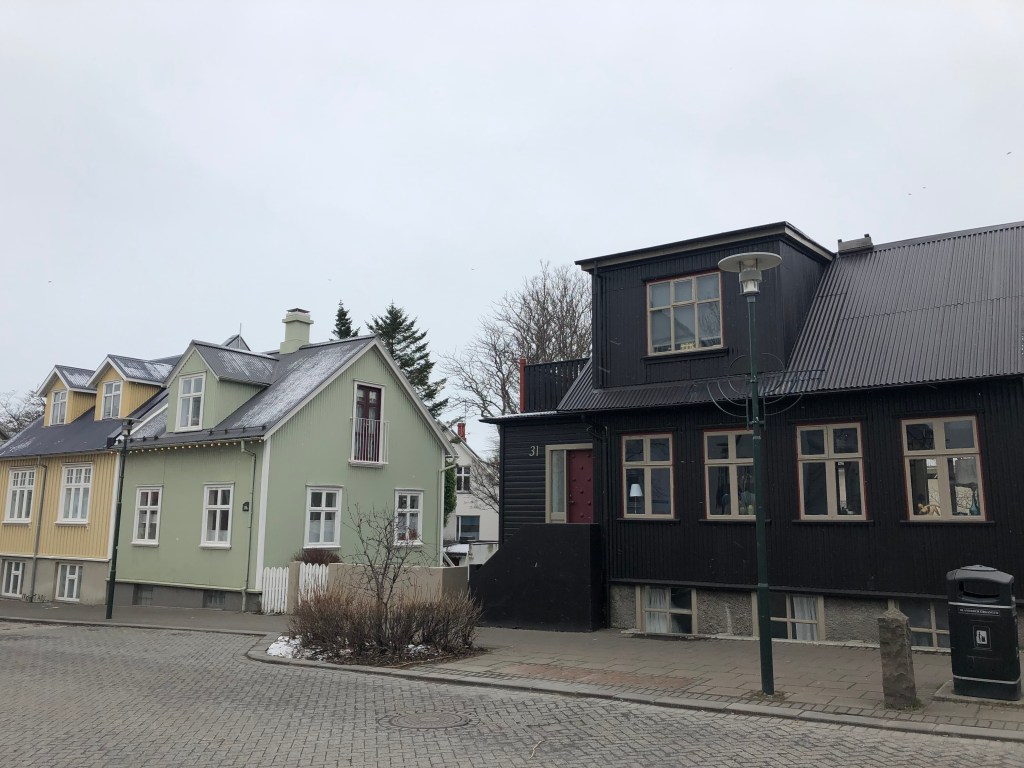
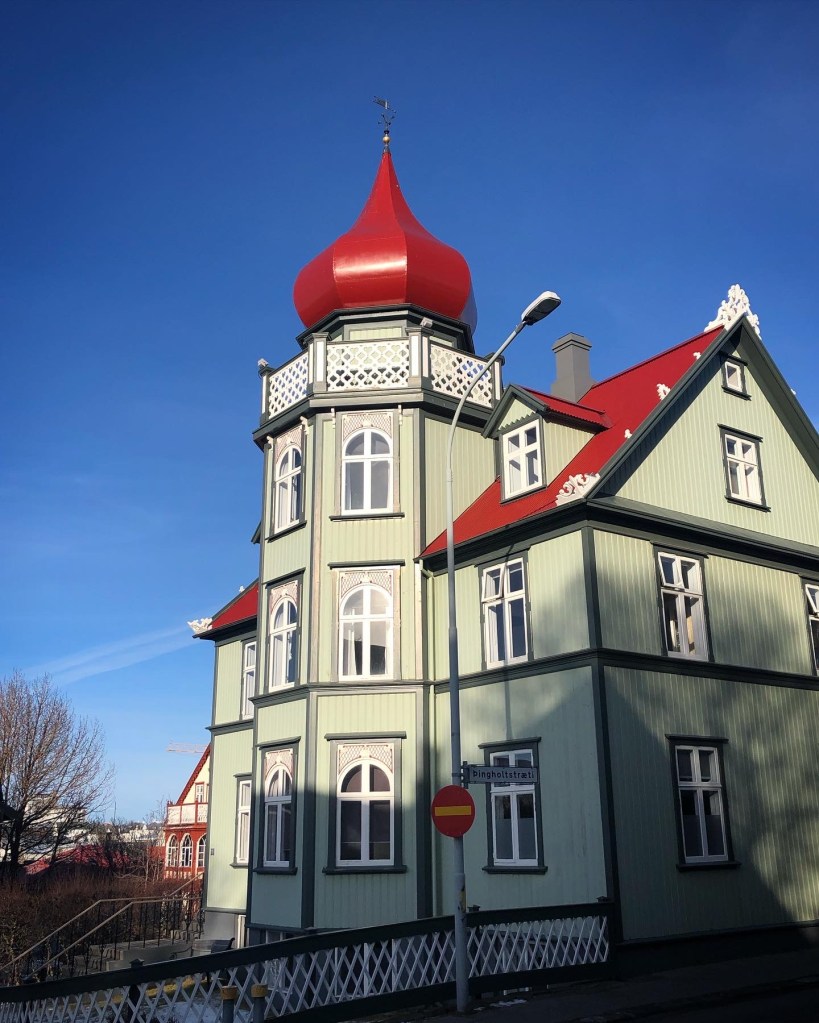
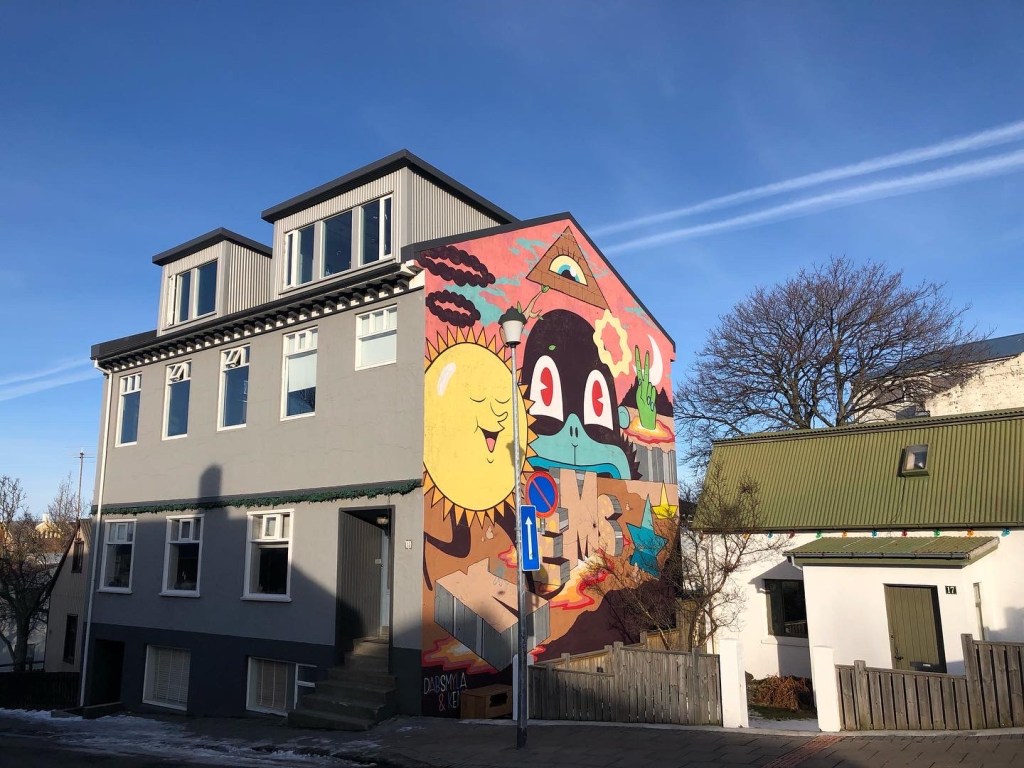
Downtown Reykjavík is the city’s lively cultural hub with two main streets Laugavegur and Skólavörðustígur where you’ll find loads of lovely cafés and restaurants, cool bars/clubs and a good variety of shops, mainly independent or Icelandic/Nordic stores like 66°North which we particularly liked. Fortunately the influx of well-known brands has been limited, although the new development being built in the old harbour area looks like it could change that.
#TWMT Tip – pick up a free copy of Reykjavik Grapevine or check it out online for latest news and what’s on.
Here are some of our Reykjavík highlights, most of which are free:
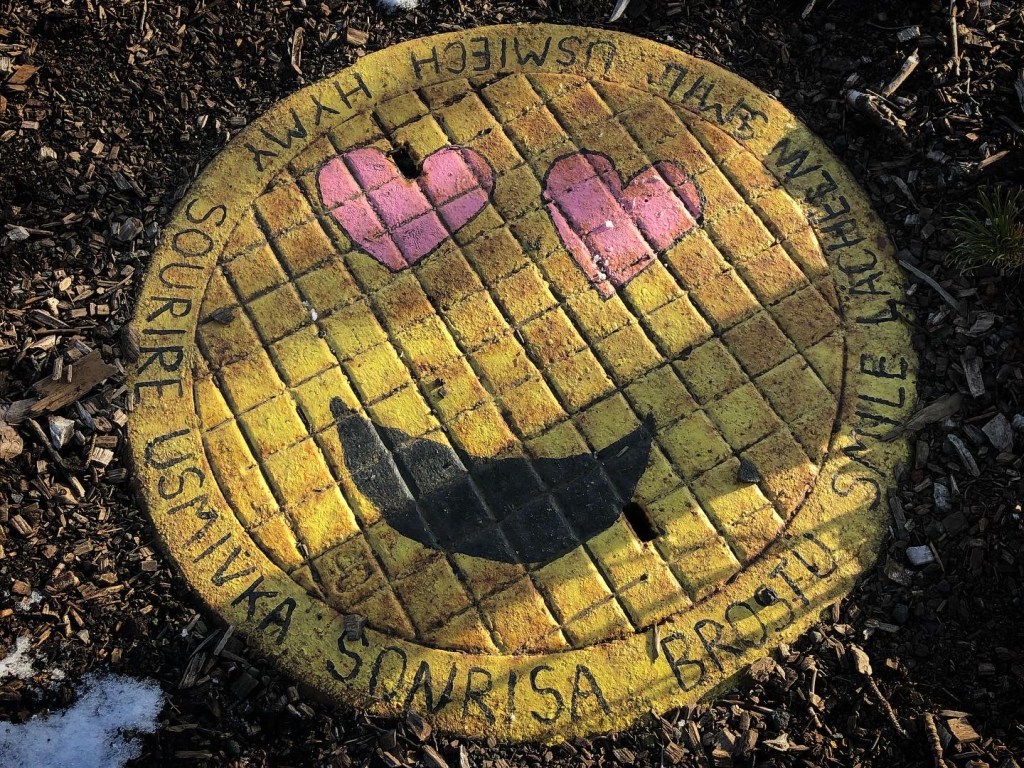
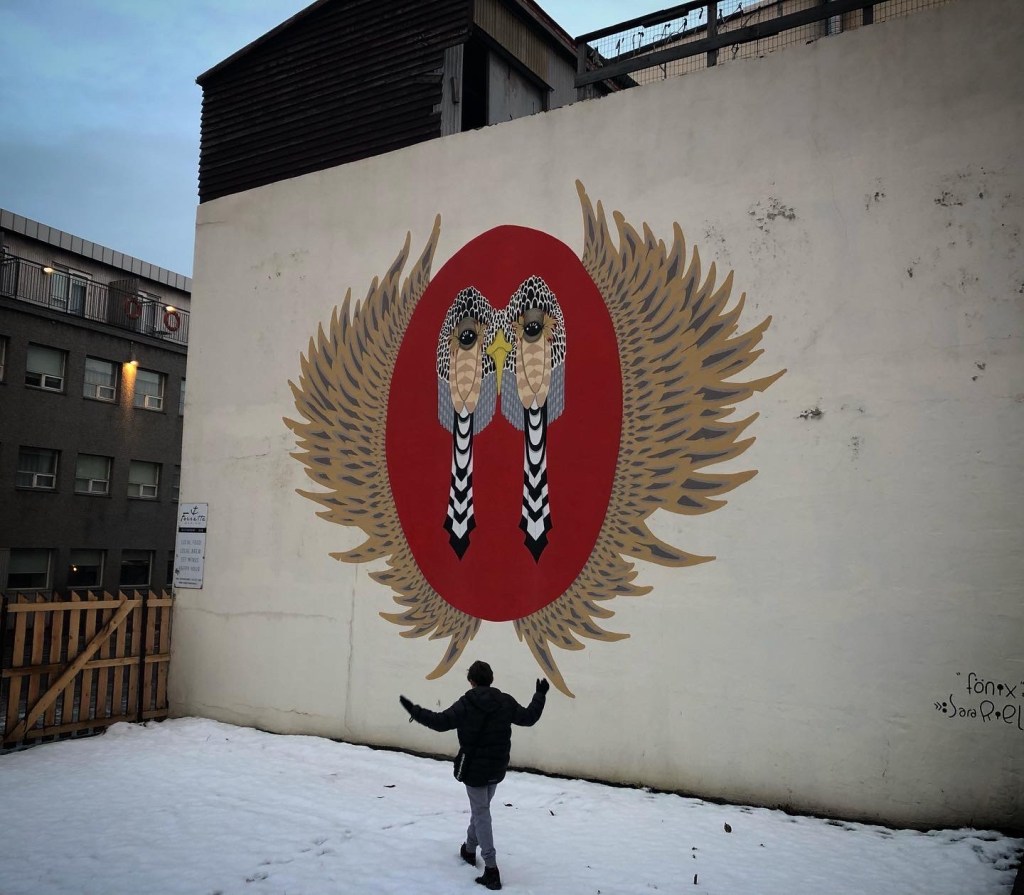
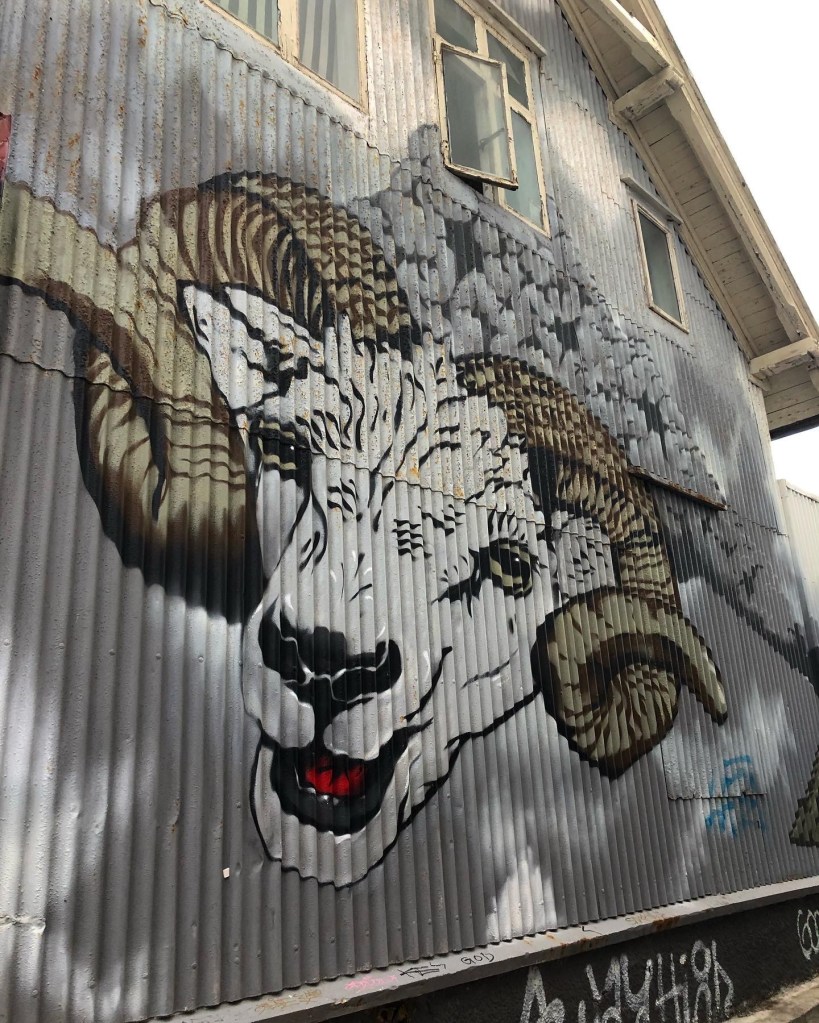
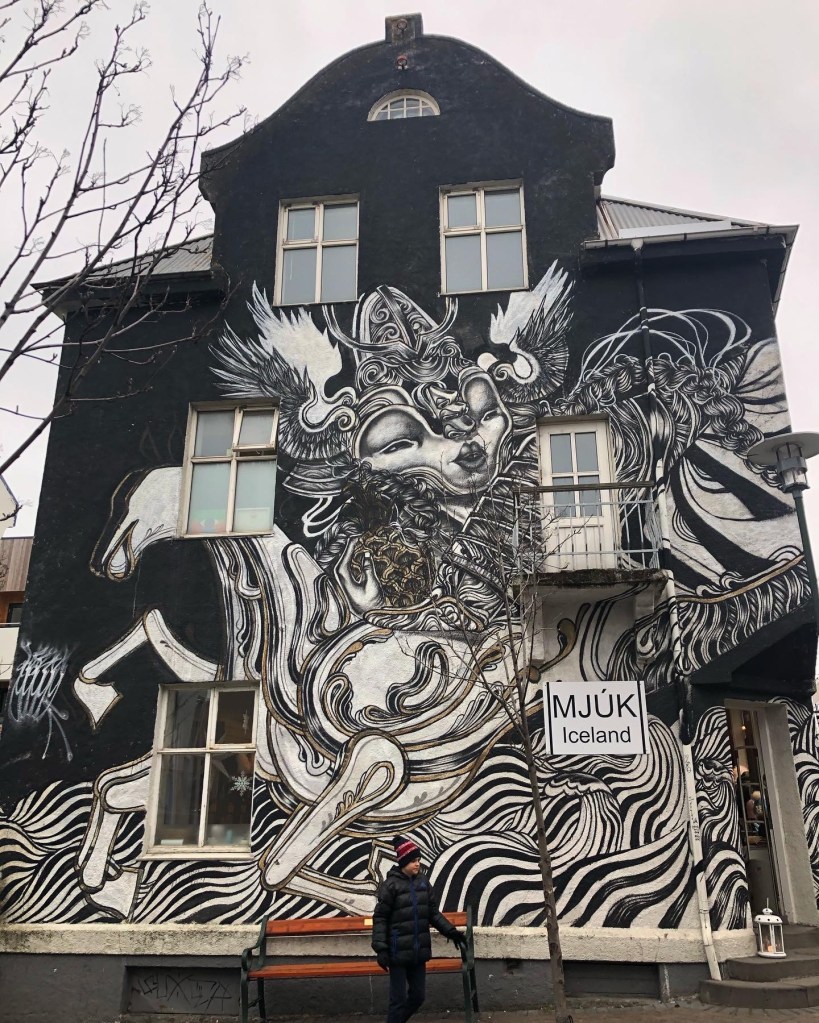
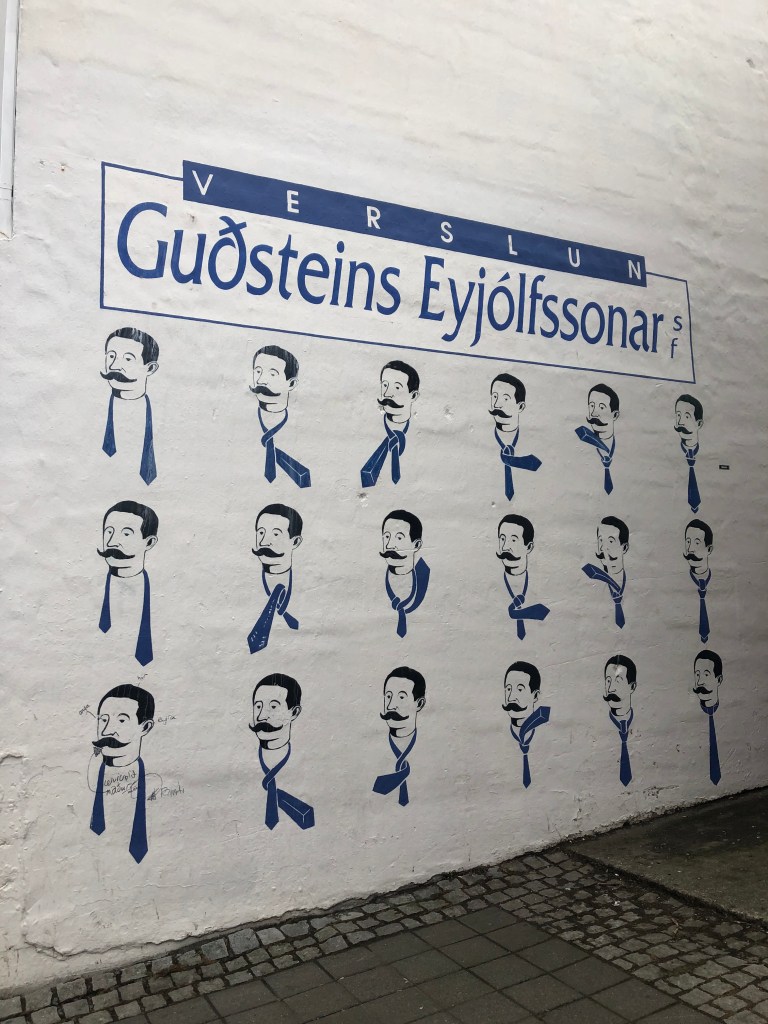
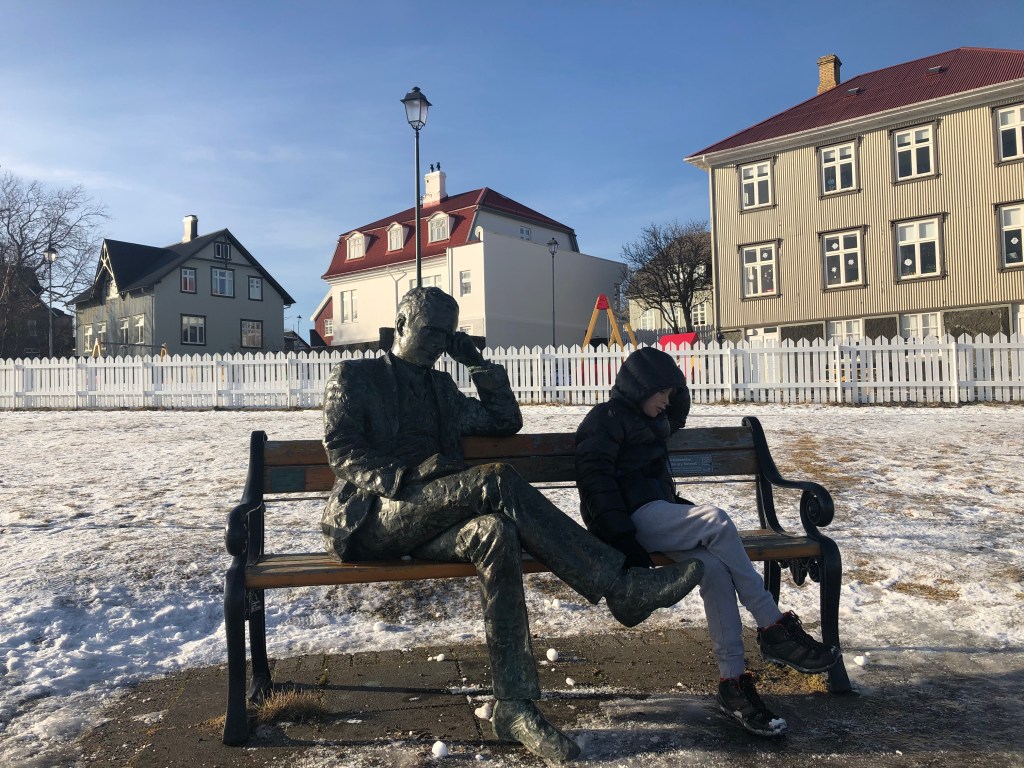
Street Art – is everywhere both the commissioned murals and not-so legal tags and we loved discovering it as we mooched around. It’s part of what makes this city so darn cool and our kinda town.
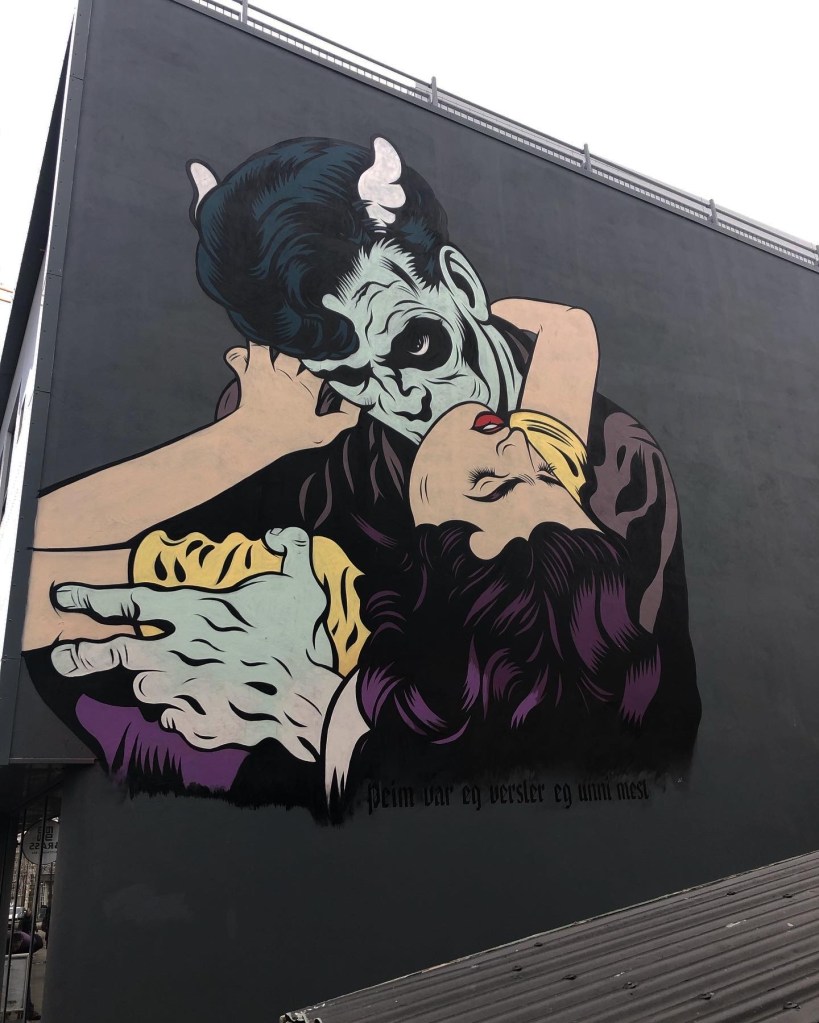
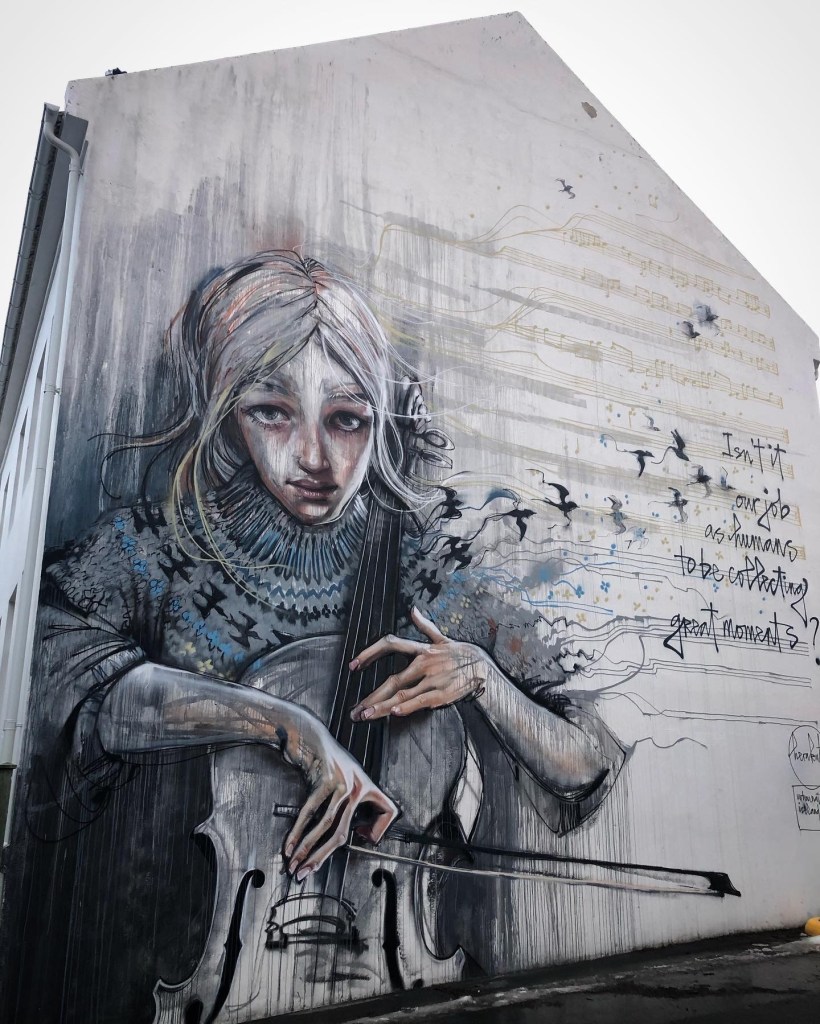
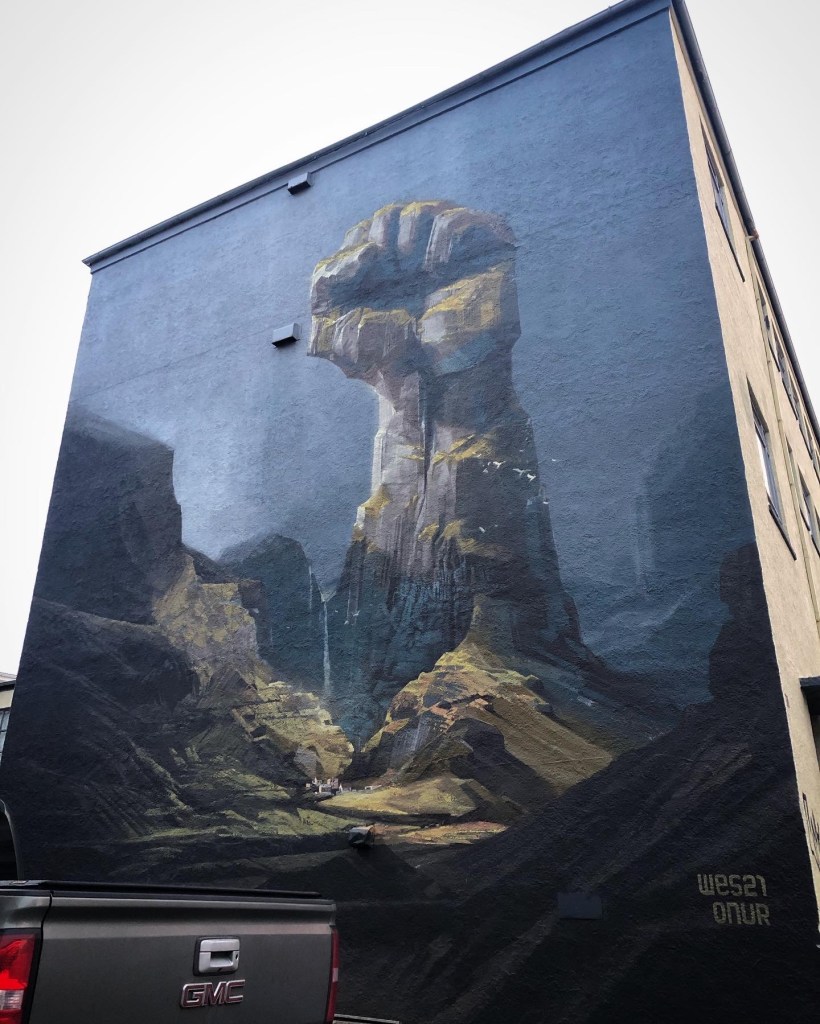
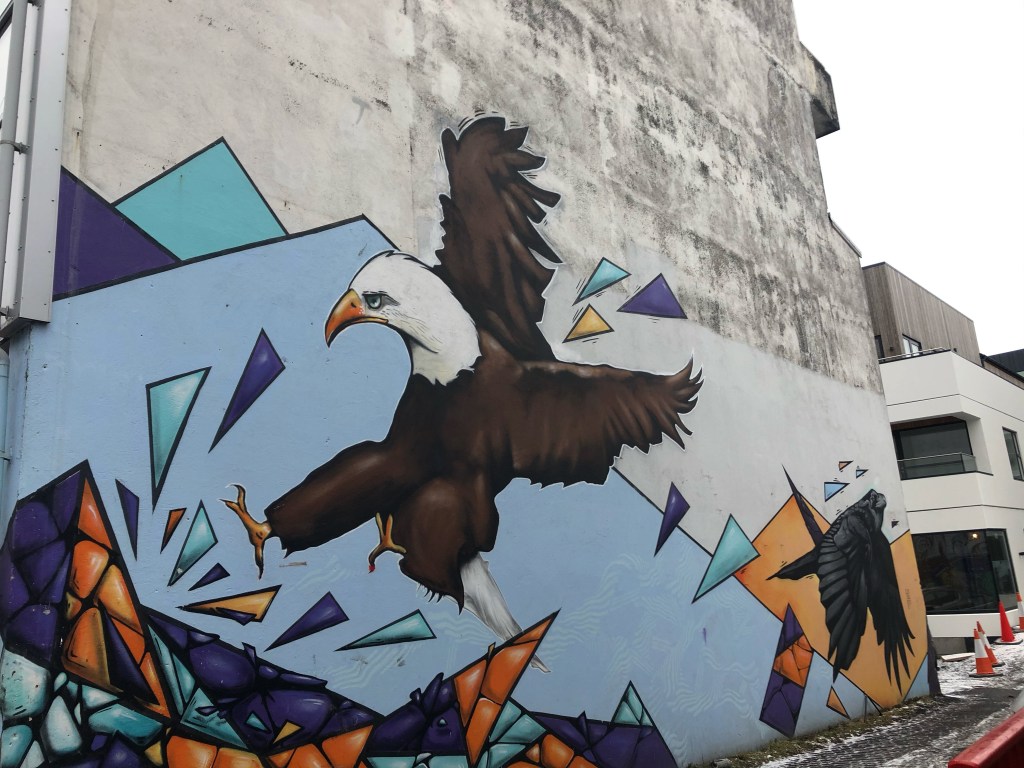
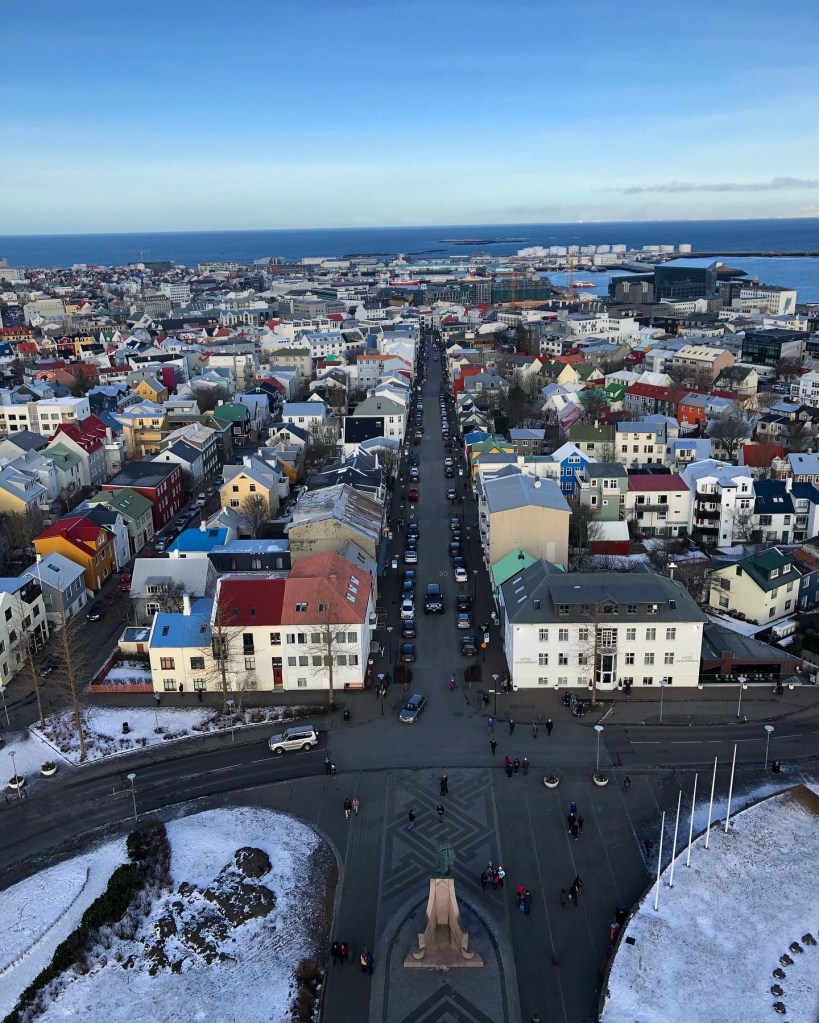
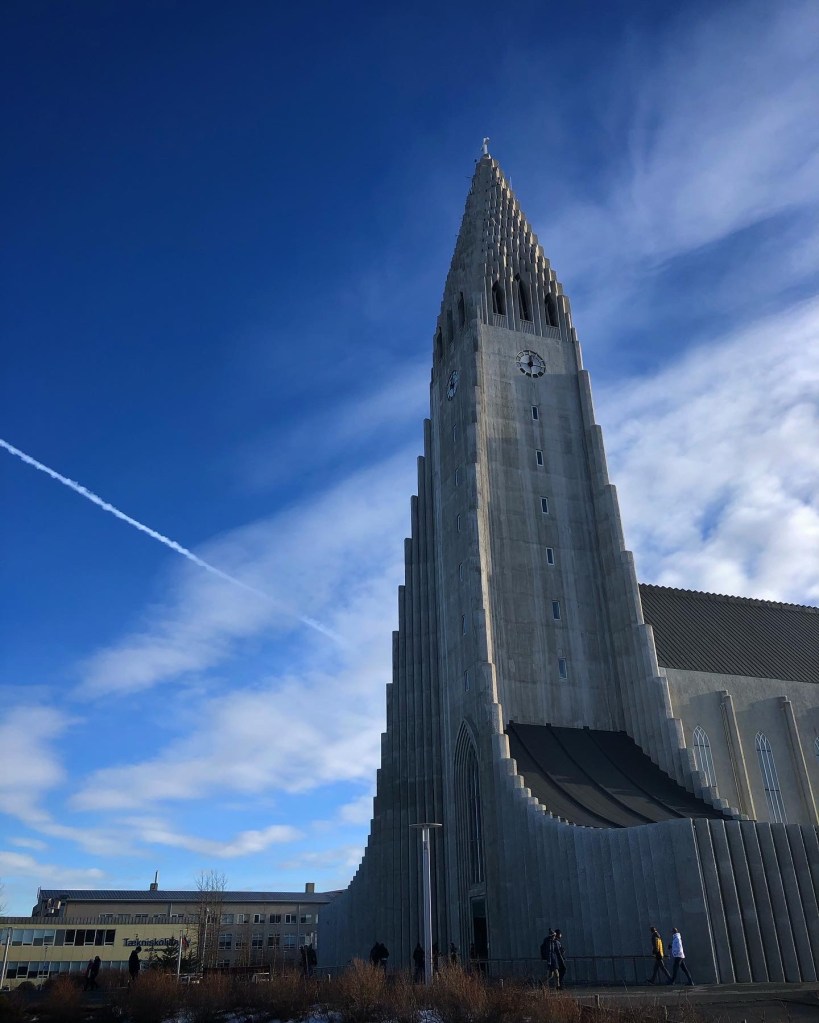
Hallgrímskirkja Church – the tallest in Iceland and one of the city’s landmarks that was designed to resemble the rocks, mountains and glaciers of the Icelandic landscape. Best admired from the outside and we can highly recommend paying the £7 (for both of us) to use the elevator up to the tower to see the best views of Reykjavík and beyond. The nearby and peaceful Einar Jónsson Art Museum sculpture gardens are free and also worth popping into.
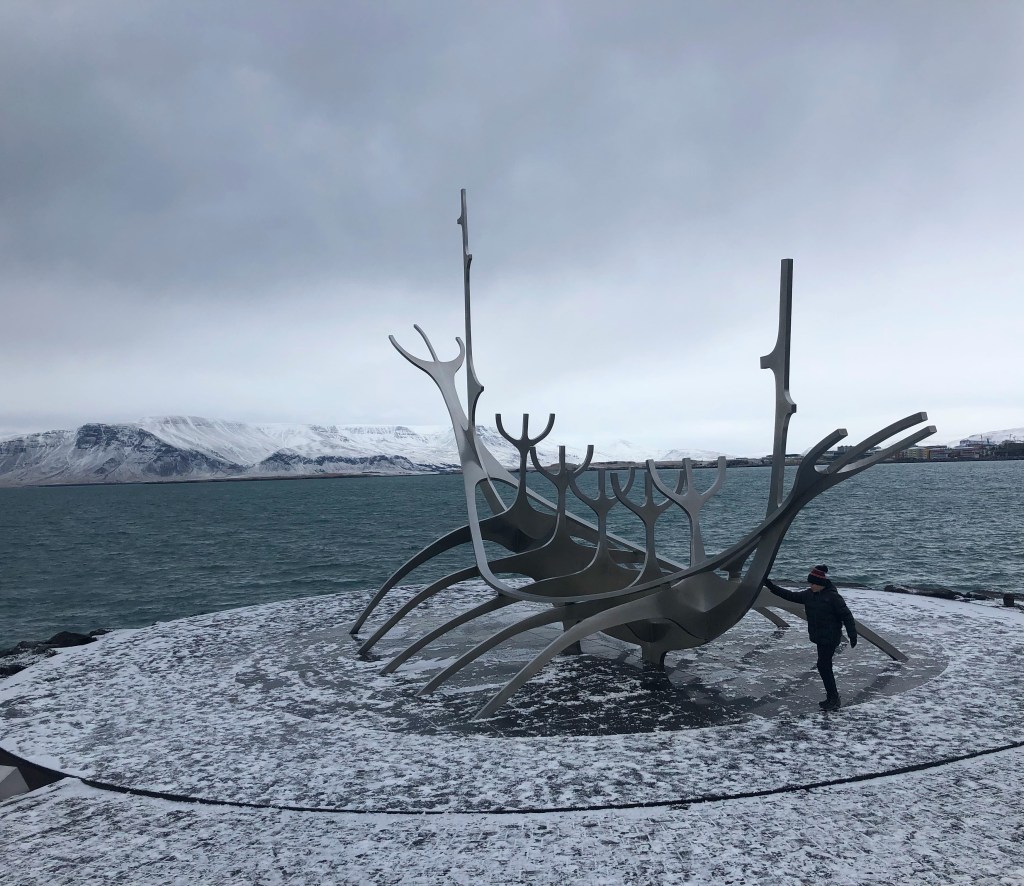
Sólfar (Sun Voyager) – the often photographed sculpture by Jón Gunnar Arnason on the waterfront, looks like a Viking ship but is actually a dream boat and ode to the sun.
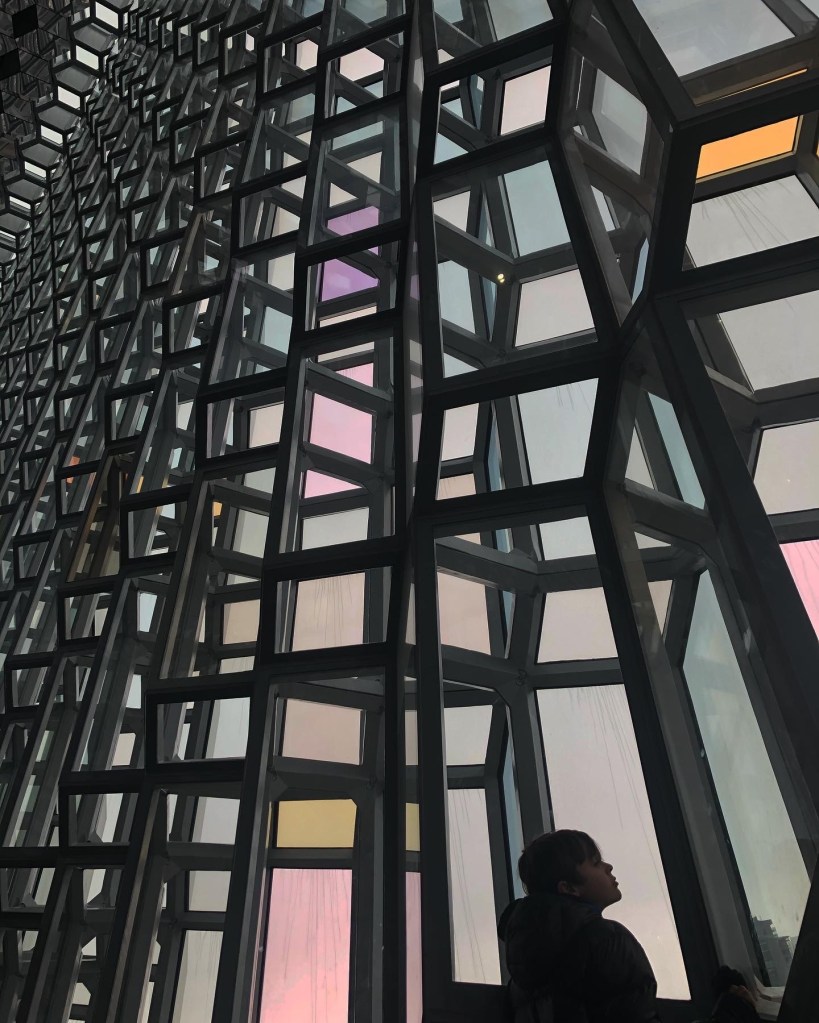
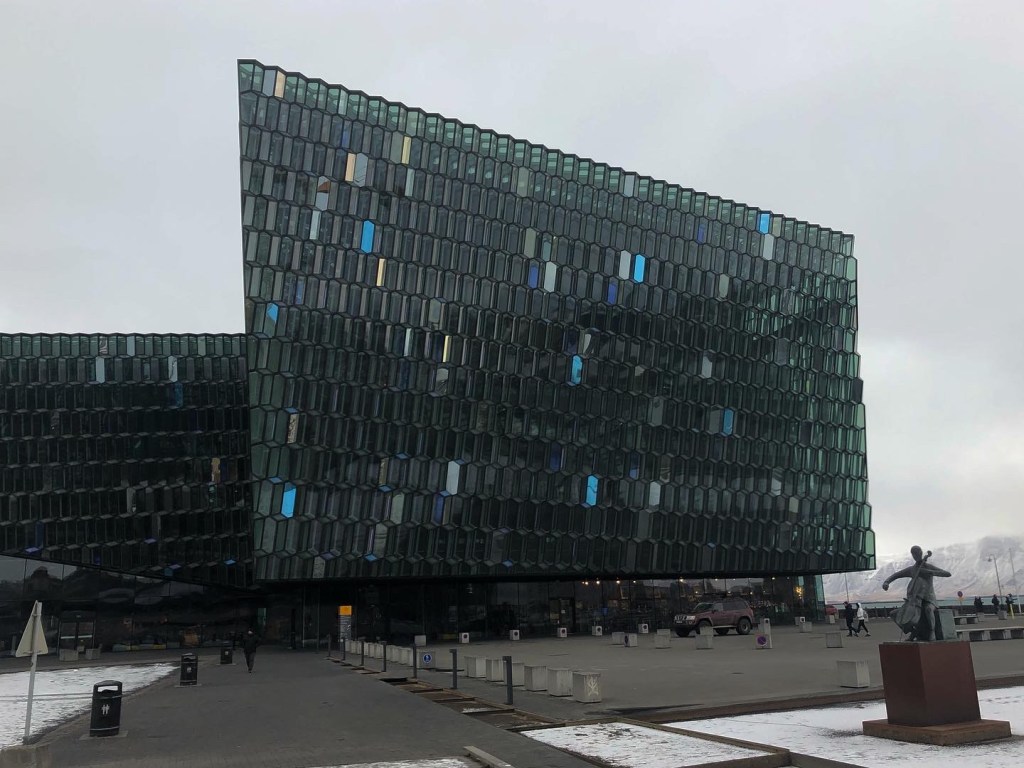
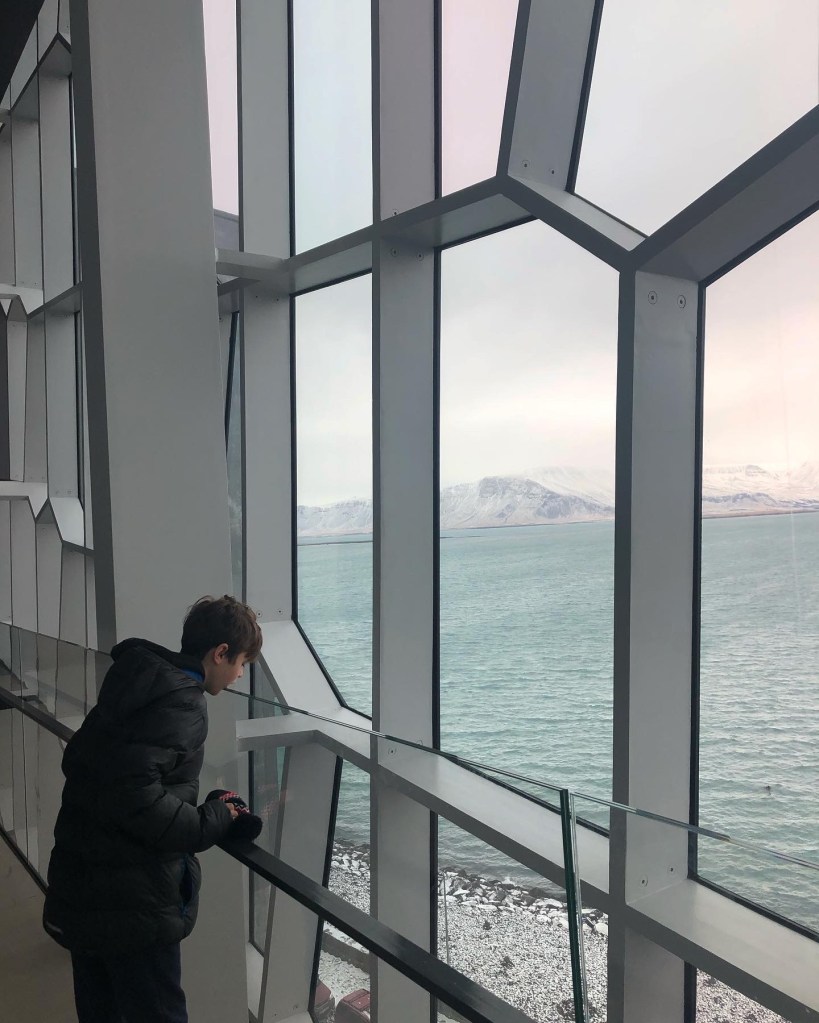
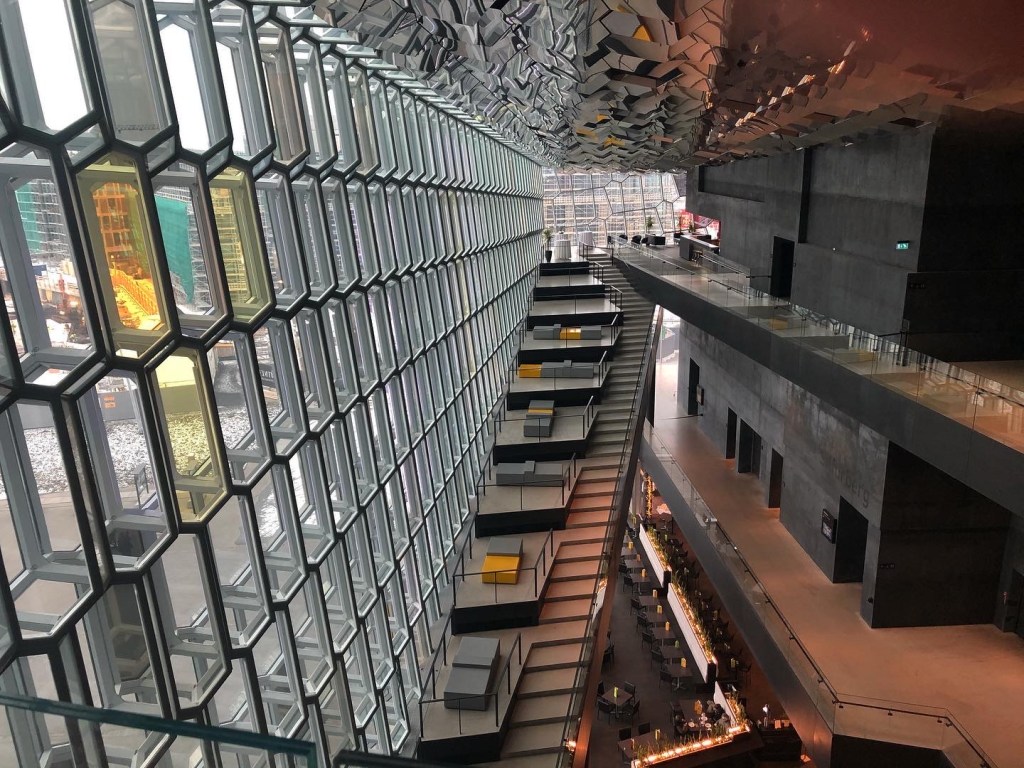
Harpa Concert Hall – a truly magnificent building that is free to roam around. It’s facade of 714 glass panels with built in LED lights make for a stunning show at night.
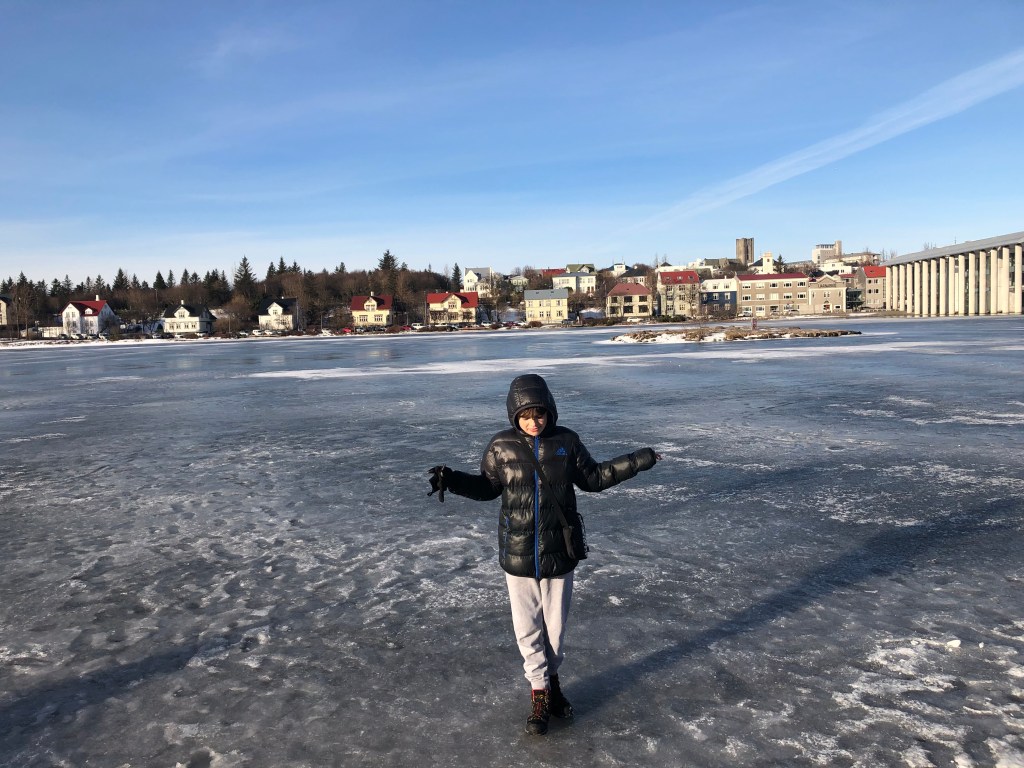
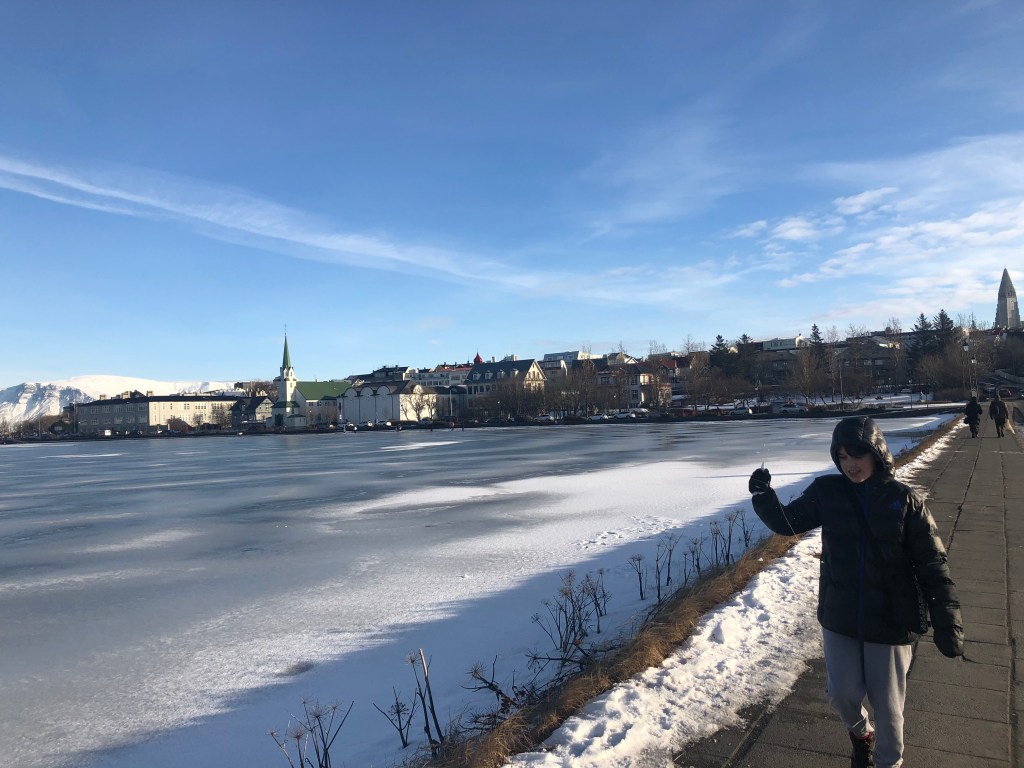
Tjörnin Pond – lovely walk on a sunny Winters day with a few sculptures dotted around, ducks and swans and the added bonus on being able to stand on its frozen waters – a first for the boy.
Hafnarhús – or Harbour House is one of three buildings that form Reykjavík’s Art Museum. As modern art is more our thing we had to check out Chromo Sapiens a mad multi-sensory exhibition that was on while we visited and loved (me more than the boy). Although there is an entry cost (about £7 for both of us) the ticket is valid for 24 hours and can be used at the other two buildings, plus there’s a nice little viewing area out towards the harbour with free coffee.
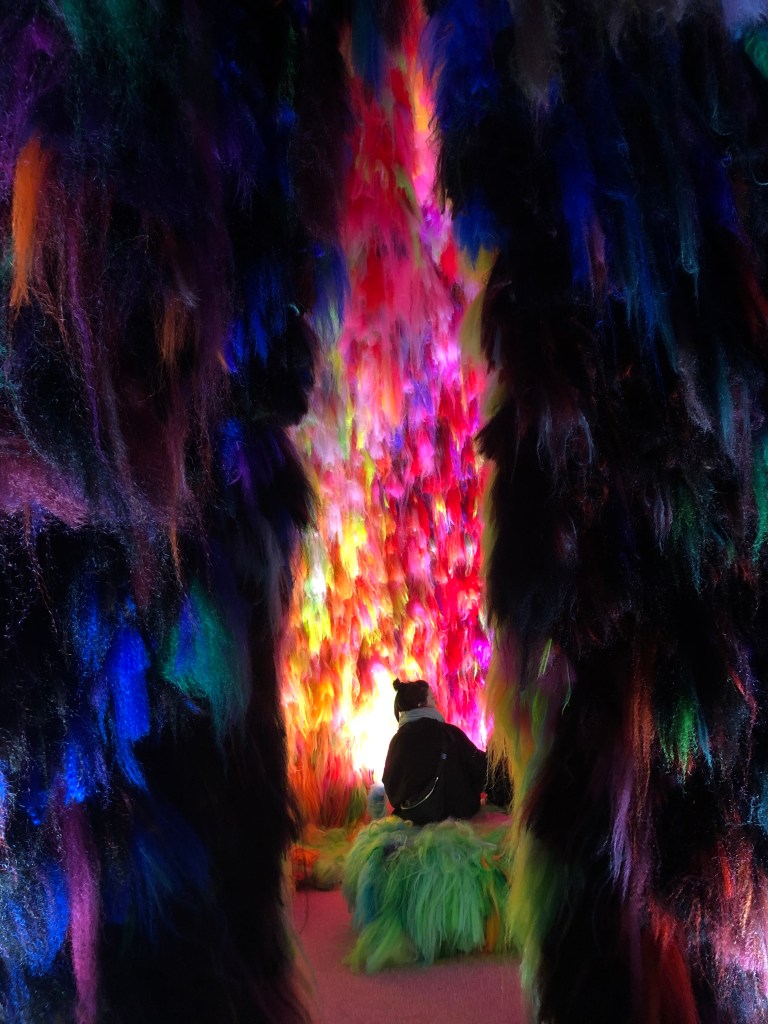
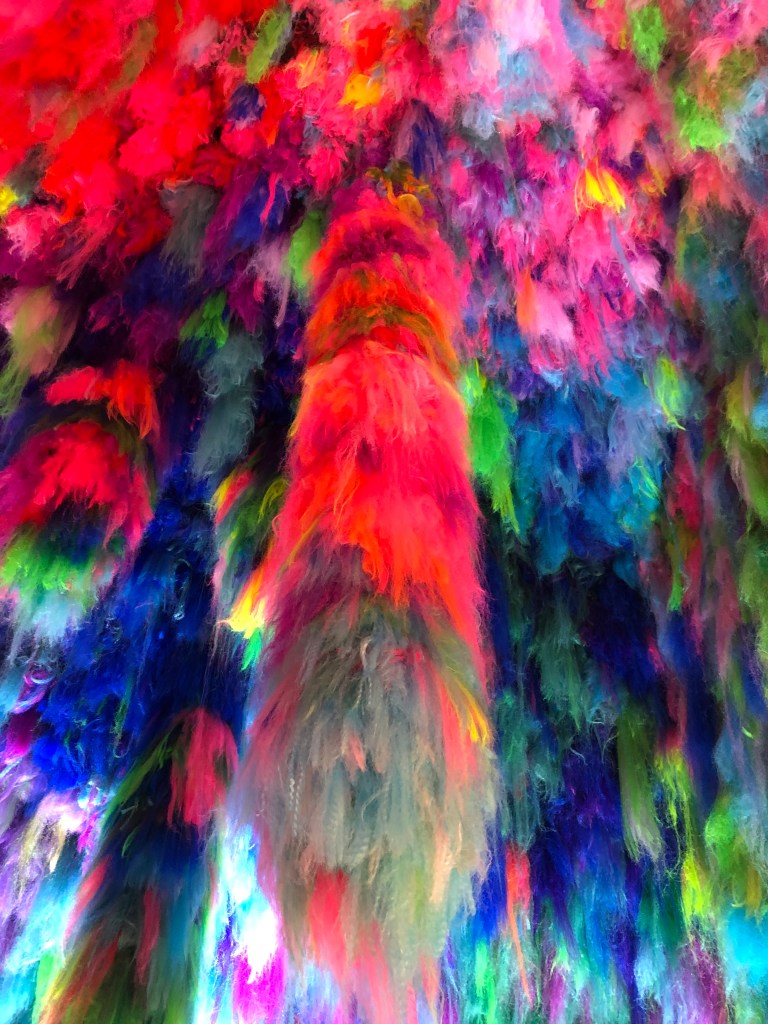
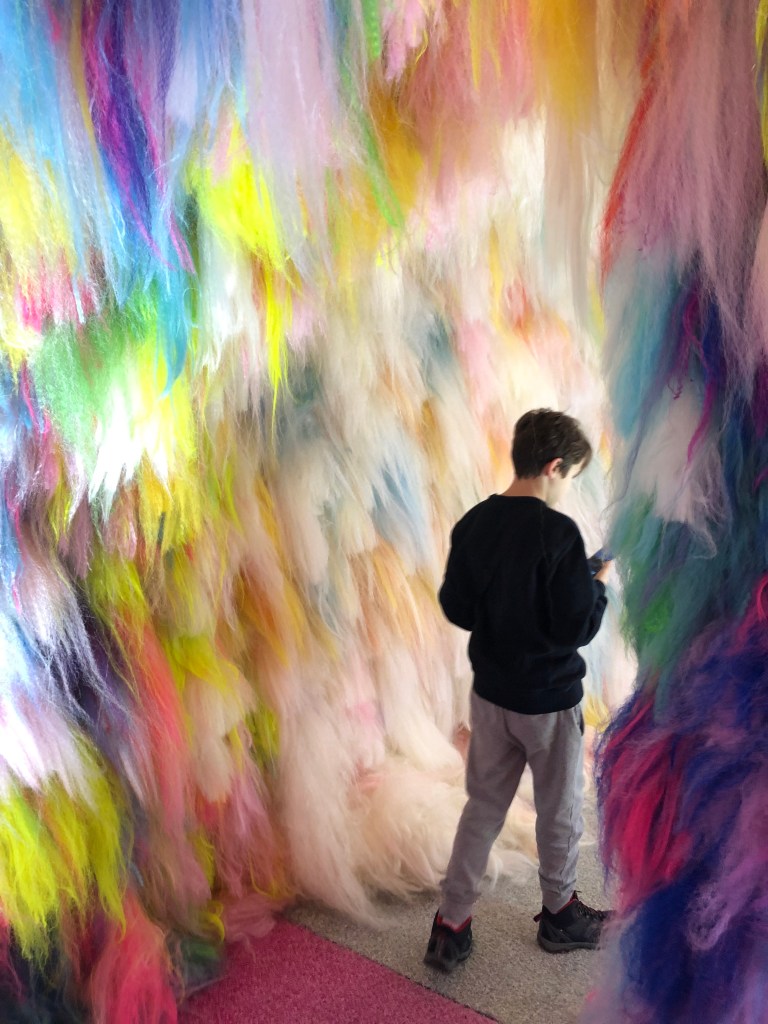
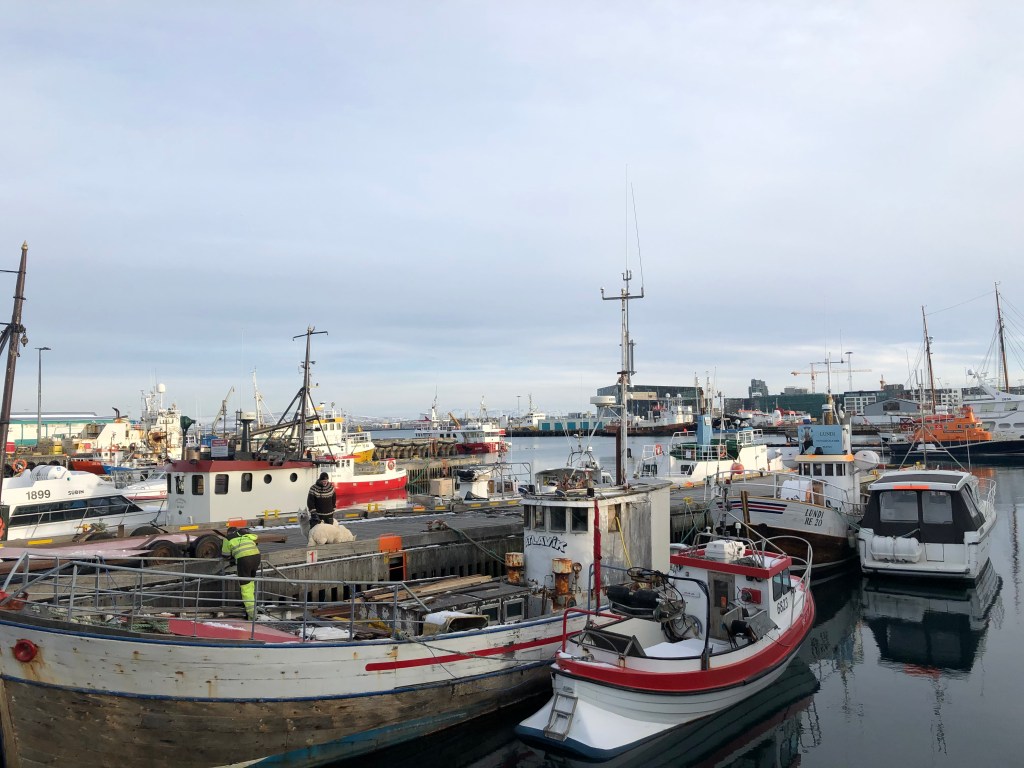
Old Harbour – we also recommend a walk around this colourful and interesting area that is home to a number of popular restaurants (Höfnin, Kopar and Messinn get good reviews although we didn’t try them out), the apparently excellent Víkin Maritime Museum and of course loads of boats. We were more interested in the outdoor art piece Þúfa, sat on a small cape that we’d spotted from the Harpa. The artist Ólöf Nordal intended it to be a place of peace and references simpler times, hence the hut with dried fish at the top. You walk up its spiral pathway to fantastic views out to sea, the mountains and back towards the harbour.
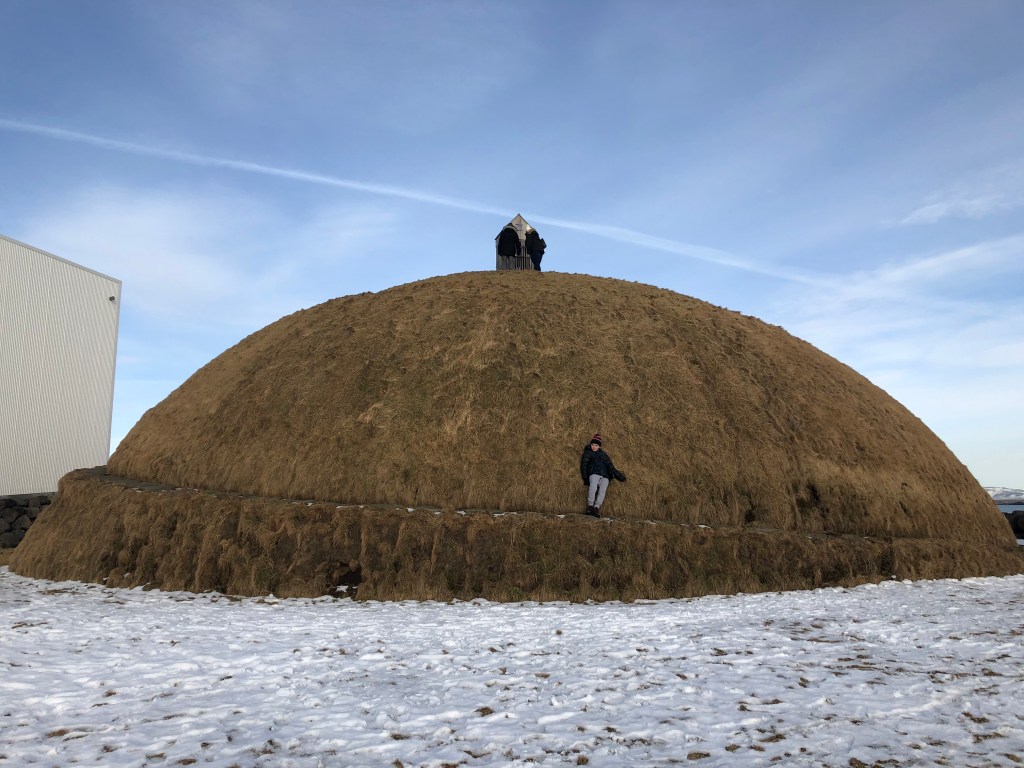
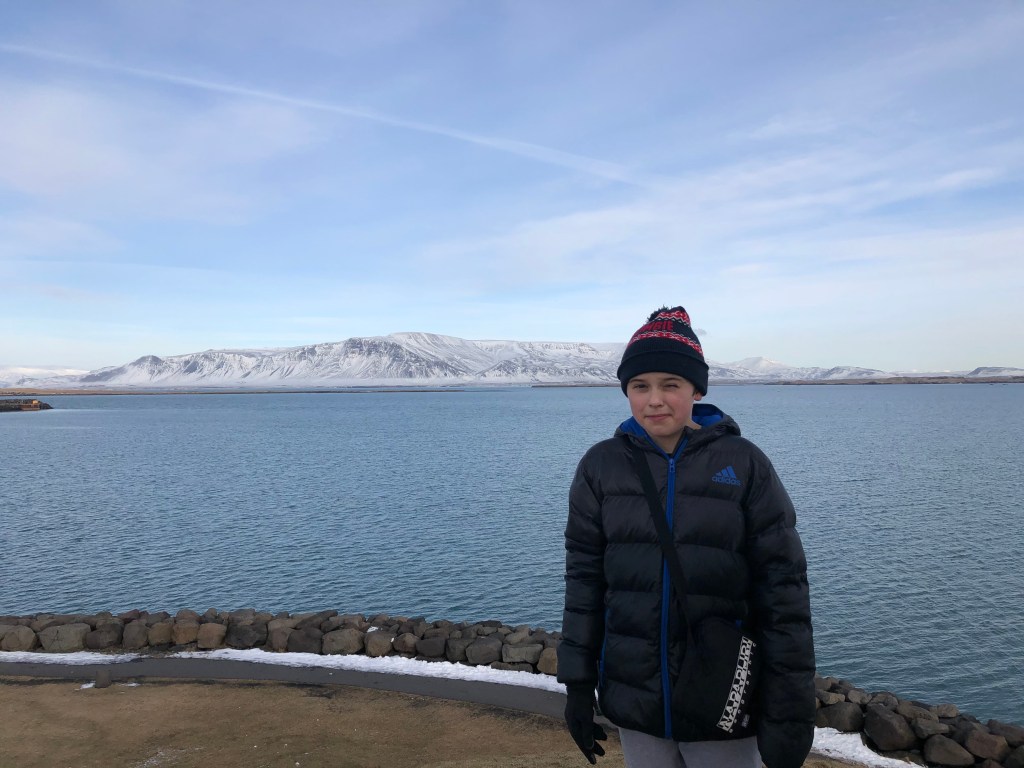
#TWMT Tip – when you see a word beginning with a ‘Þ’ like Þúfa or Þingvellir National Park you actually pronounce it with a ‘th’.
Golden Circle Tour
The first of our excursions was an all-day tour of the Golden Circle stopping at three of its iconic attractions. We were picked up before dawn and saw the sun rise over the snowy mountains, before our first stop at the Haukadalur Geothermal Valley centre.
Here you’ll find the original Geysir from which all other geysers are named, but doesn’t actually erupt very often. There is however, loads of bubbling pools and the more reliable Strokkur that spectacularly shoots up 20 meters or so every 5-10 minutes. The centre has Hotel Gesyir, restaurant/cafés, decent-sized gift and clothing shop and toilets.
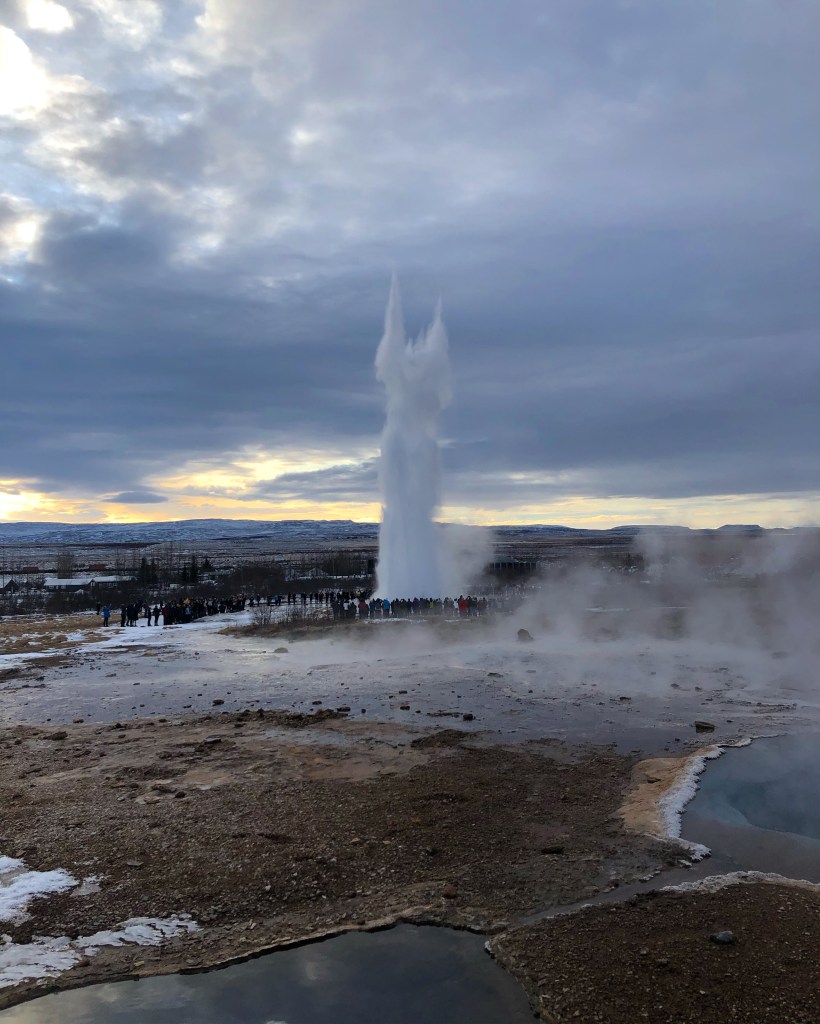
Next up was the magnificent Gullfoss Waterfall, one of Iceland’s most iconic waterfalls on the River Hvítá. It’s waters travel from the Langjökull glacier before cascading 105 feet in a dramatic display. Gullfoss’ history is also an interesting one, including the tale of the badass lady Sigríður Tómasdóttir, Iceland’s first environmentalist, who saved the waterfall from development.
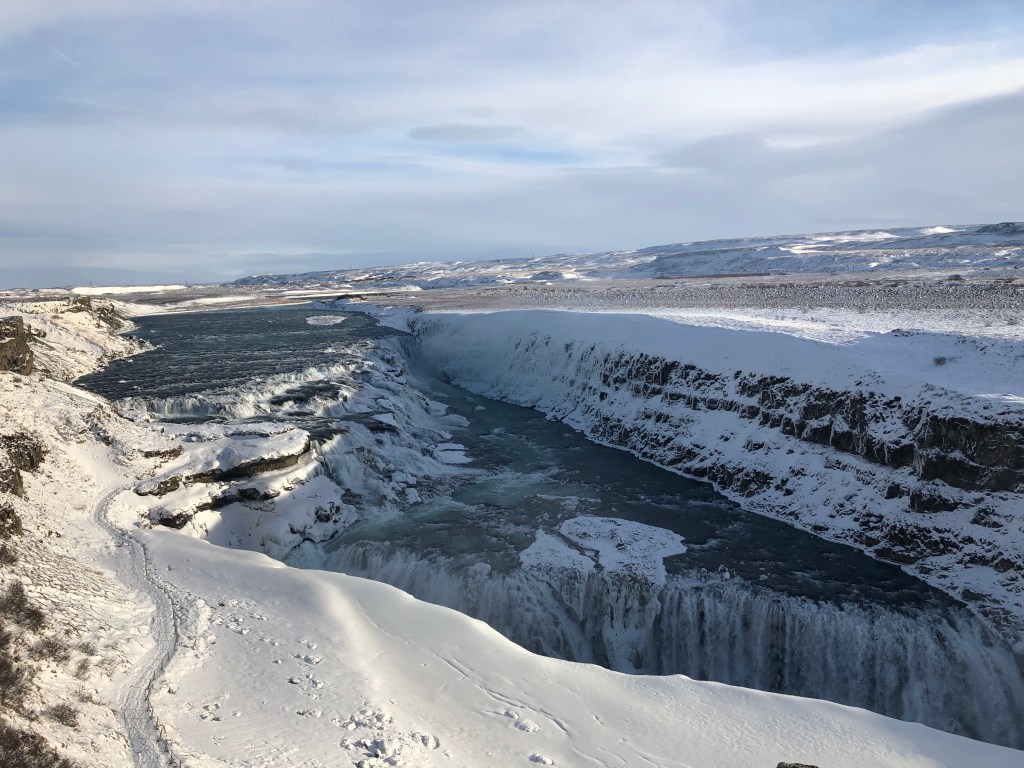
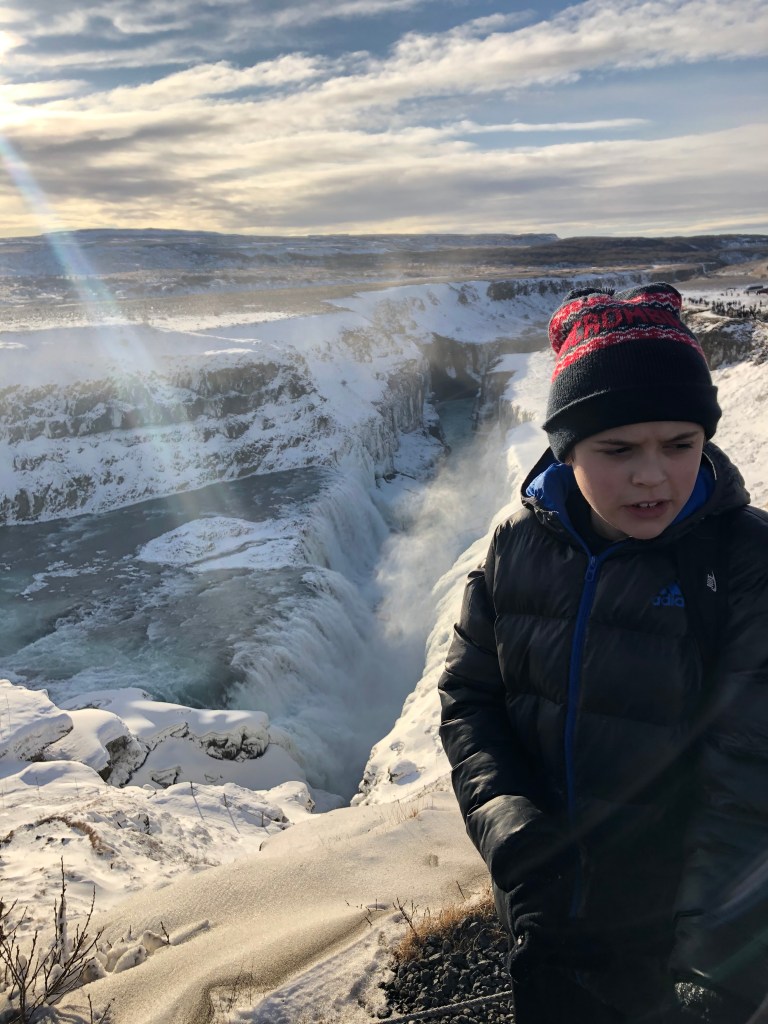
This is also where we stopped for our organised lunch (lamb soup and chocolate cake) in the large visitor centre well geared to deal with the daily influx of large coach parties, but also caters for smaller parties and has a decent gift shop/ toilets.
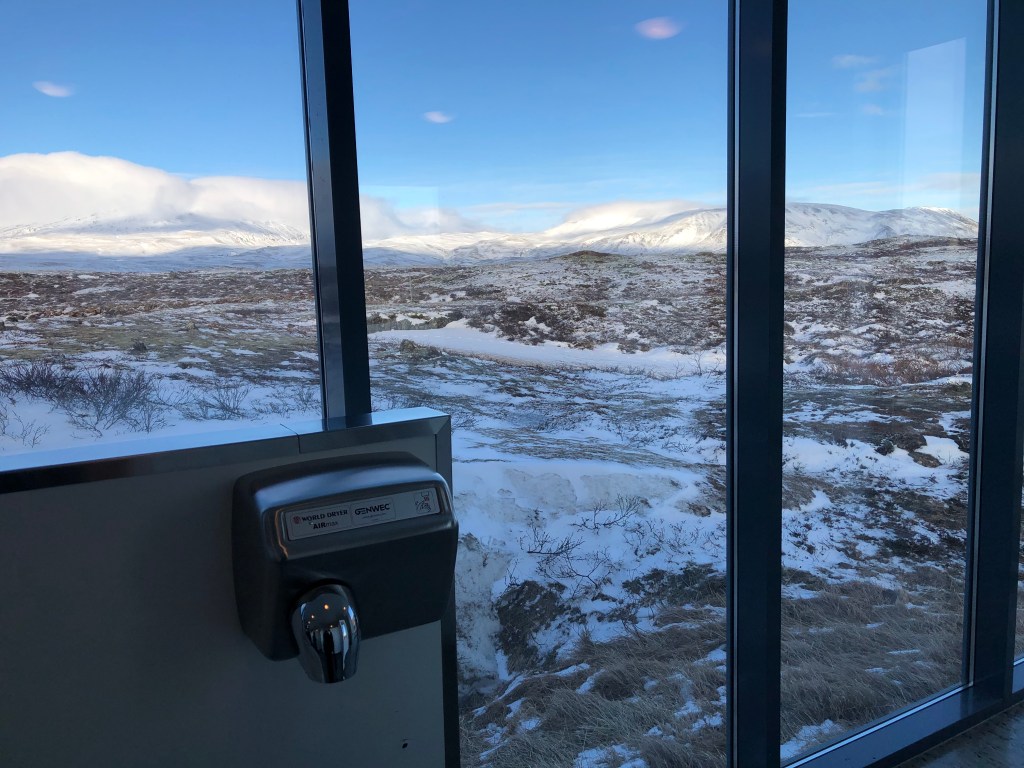
Our final brief stop was at the UNESCO World Heritage site – Þingvellir National Park where you can see the exposed North American and Eurasian tectonic plates. Iceland sits on this rift and these plates are slowly moving further apart, widening the country by about 3cm a year and causing around 500 small earthquakes every week! It is also the home of the oldest parliament in the world Alþingi that was founded in 930 AD at Þingvellir or ‘assembly fields’. Again, there was a small visitor centre, café and toilets with the best view!
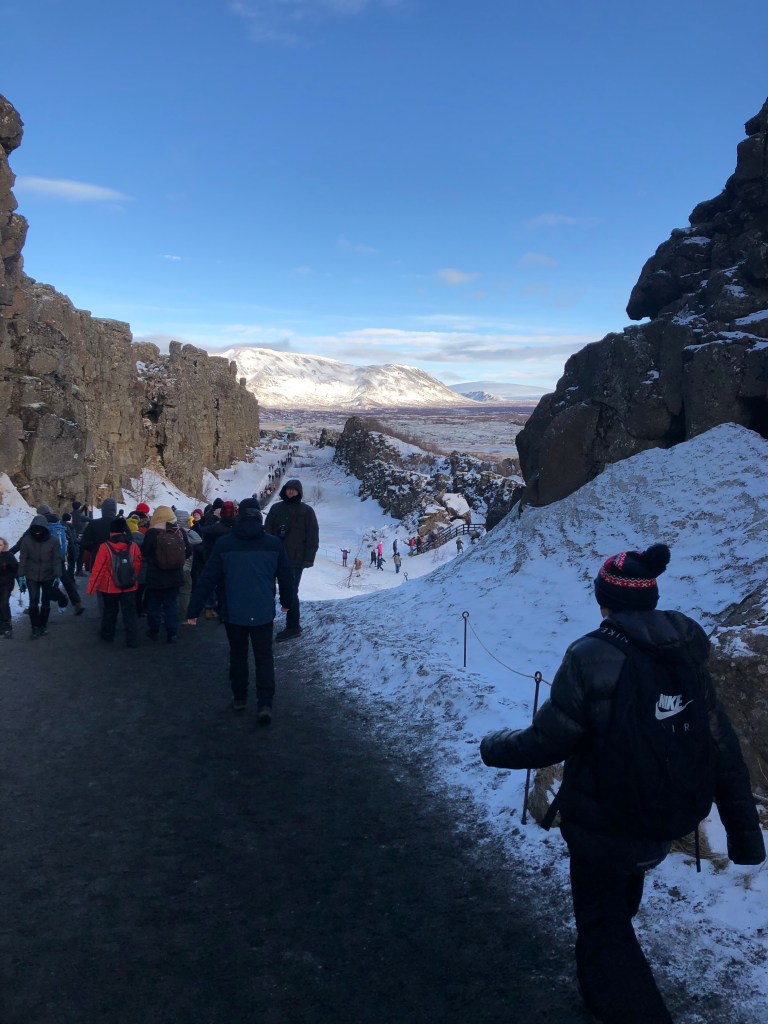
#TWMT Tip – wear warm layers, waterproof clothing and decent hiking/snow boots as the attractions around the Golden Circle (or anywhere in Iceland) can be very chilly and treacherously slippy during the winter.
Northern Lights
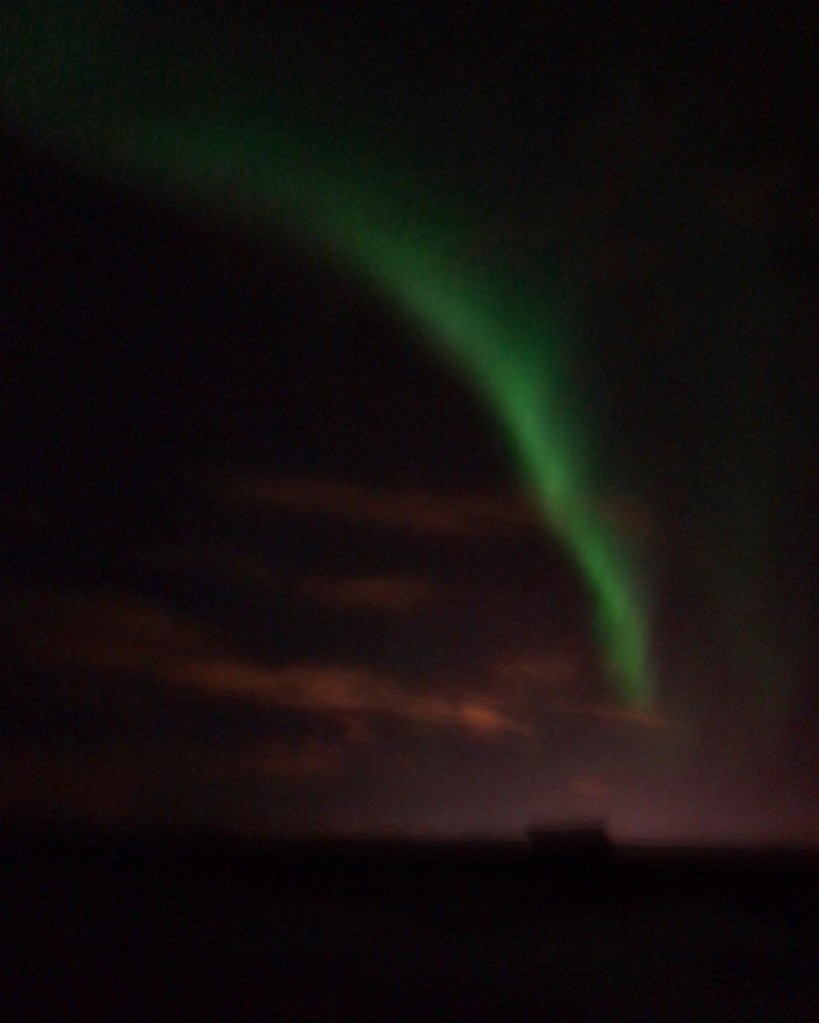
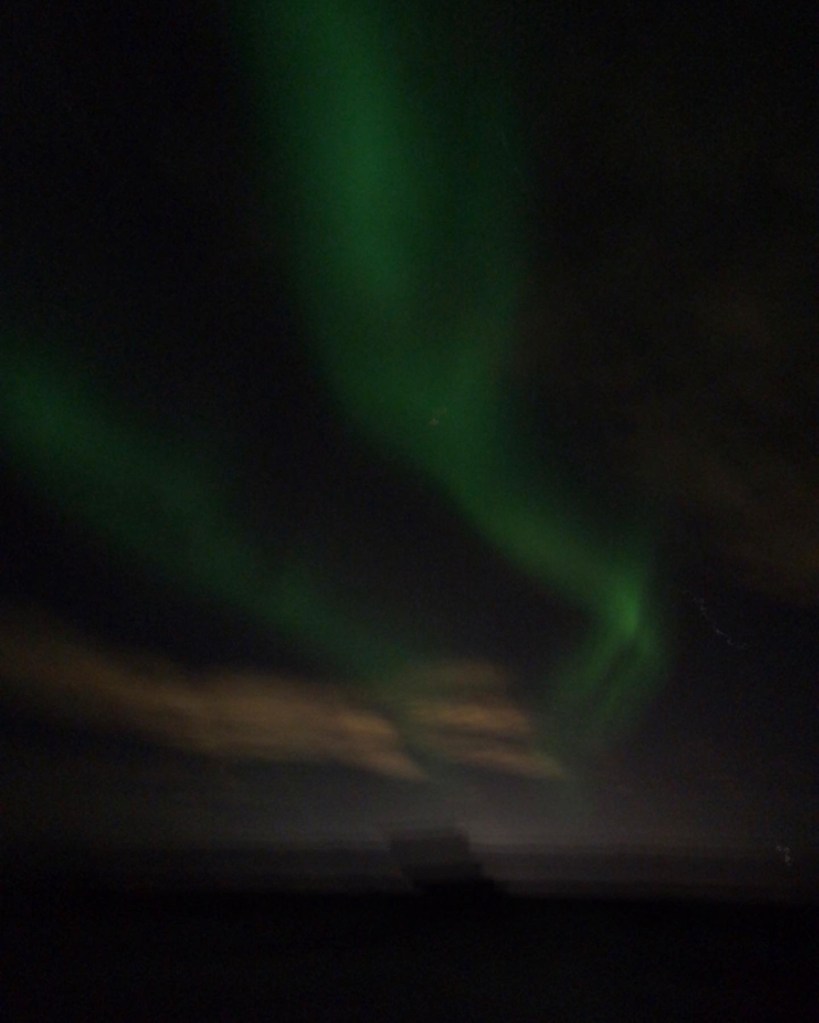
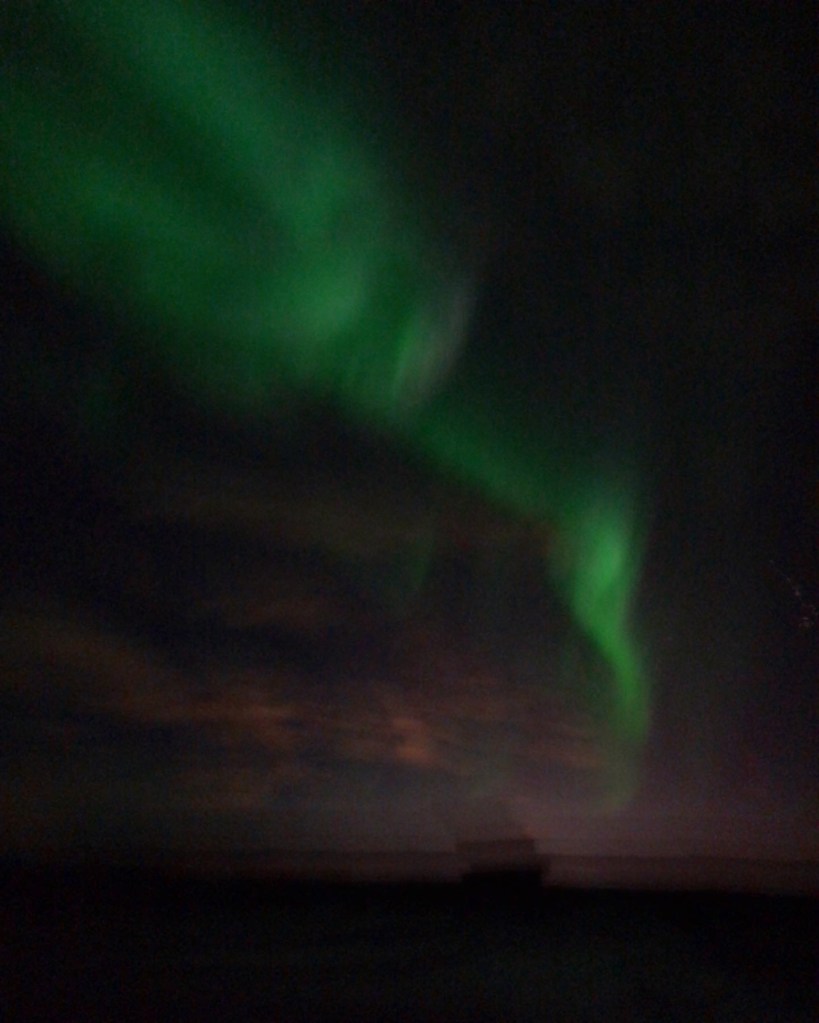
Later that night we were picked up for our Northern Lights hunt and driven away from the city’s light pollution to a random golf course. Golf is apparently very popular in Iceland and 1 in 6 Icelanders play the sport mainly during summer and under the midnight sun. The Winter months are the best chance of catching a glimpse of the elusive Aurora Borealis and boy did we get lucky with one of the best ‘shows’ of the season by all accounts.
After freezing our proverbials off for hours and fighting the overwhelming desire for our beds, the clouds finally parted and we witnessed a truly awe-inspiring display of dancing lights moving across the night sky in swirls and curtains of greens, blues, purples, pinks and oranges. These photos really don’t do what we saw justice – you’ll just have to take our word for how magical they are in real life.
Langjökull Glacier Tour
Our final excursion was another long day but an experience of a lifetime, especially for the boy who got to ride in a huge monster truck up onto a glacier.
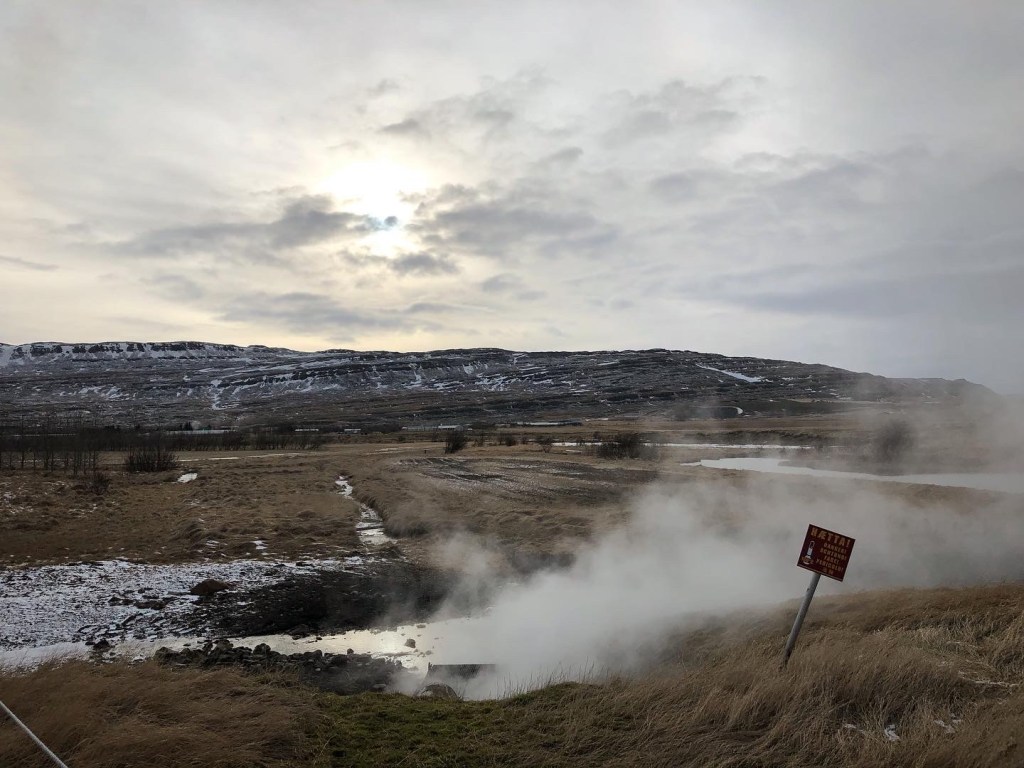
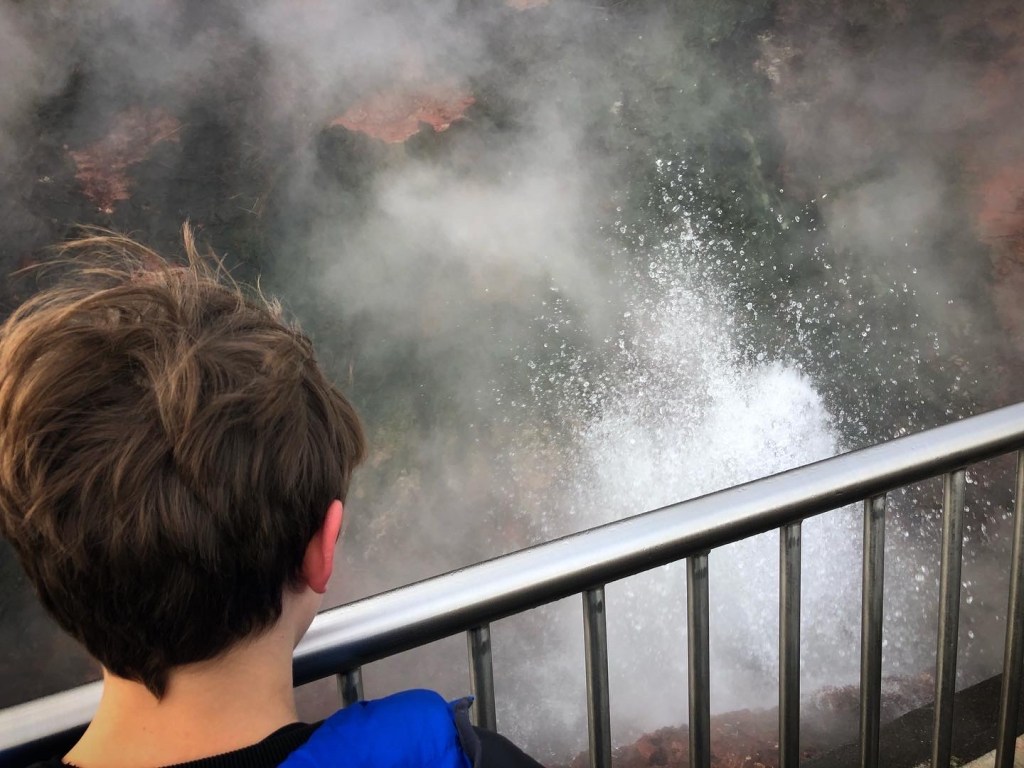
We travelled north out of Reykjavík on Route 1 (the ring road) and broke the journey up with a few short stops. First was at an Icelandic service station in the small town of Borgarnes where we ate more yummy hot dogs. Then it was Deildartunguhver hot springs – Europe’s most powerful hot spring with water temperatures of 100°C (212°F) bubbling straight out the ground and heating nearby towns and the Krauma spa.
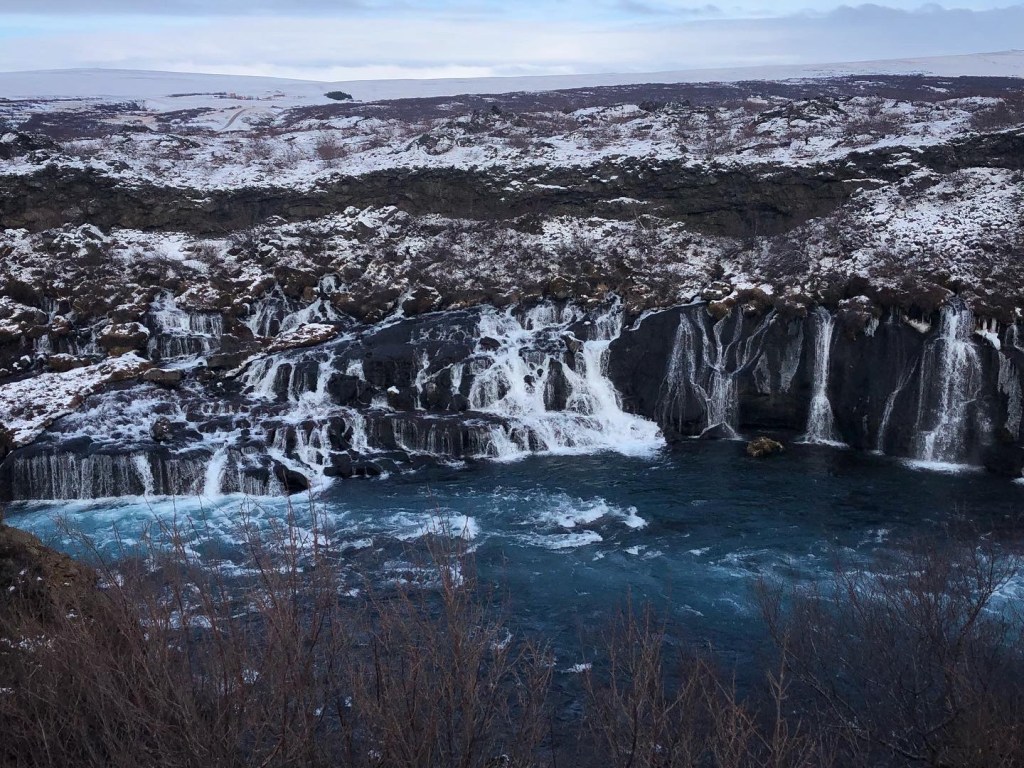
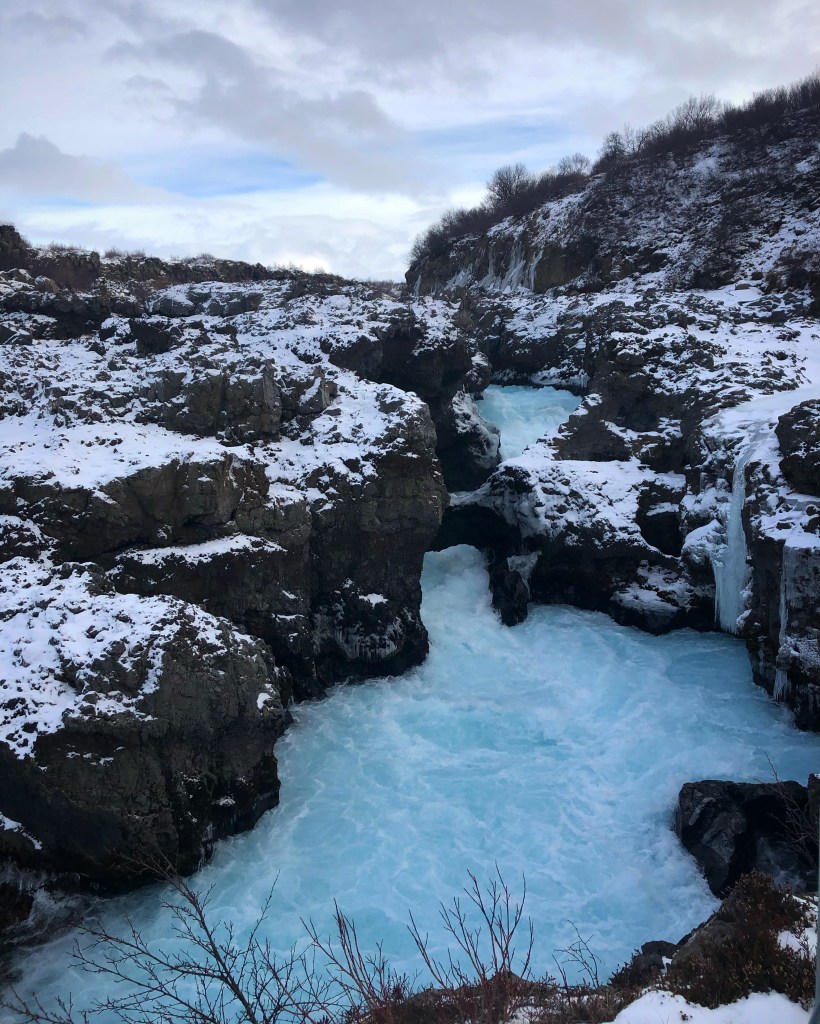
Next was the beautiful milky blue waters of the Barnafoss and Hraunfossar waterfalls.
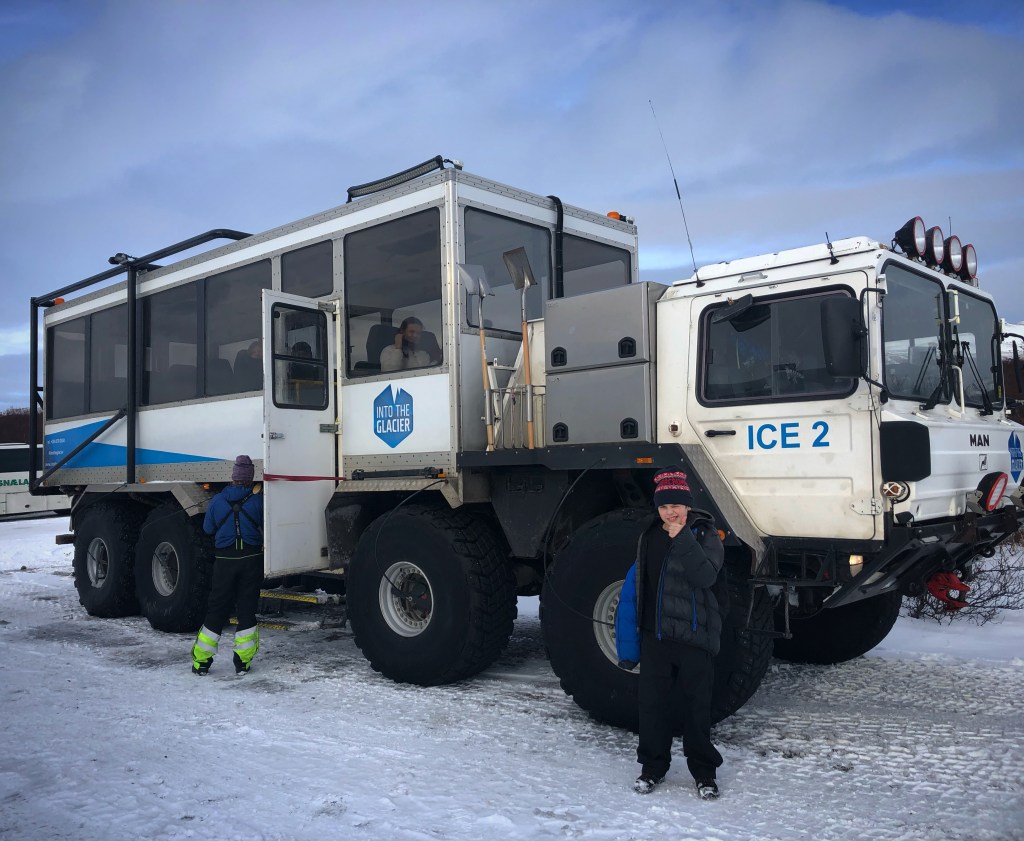
We made it to Húsafell ready to be taken up to Langjökull, Iceland’s second largest glacier by Into the Glacier in ICE 2 – a huge beast of a repurposed NATO Missile transporter.
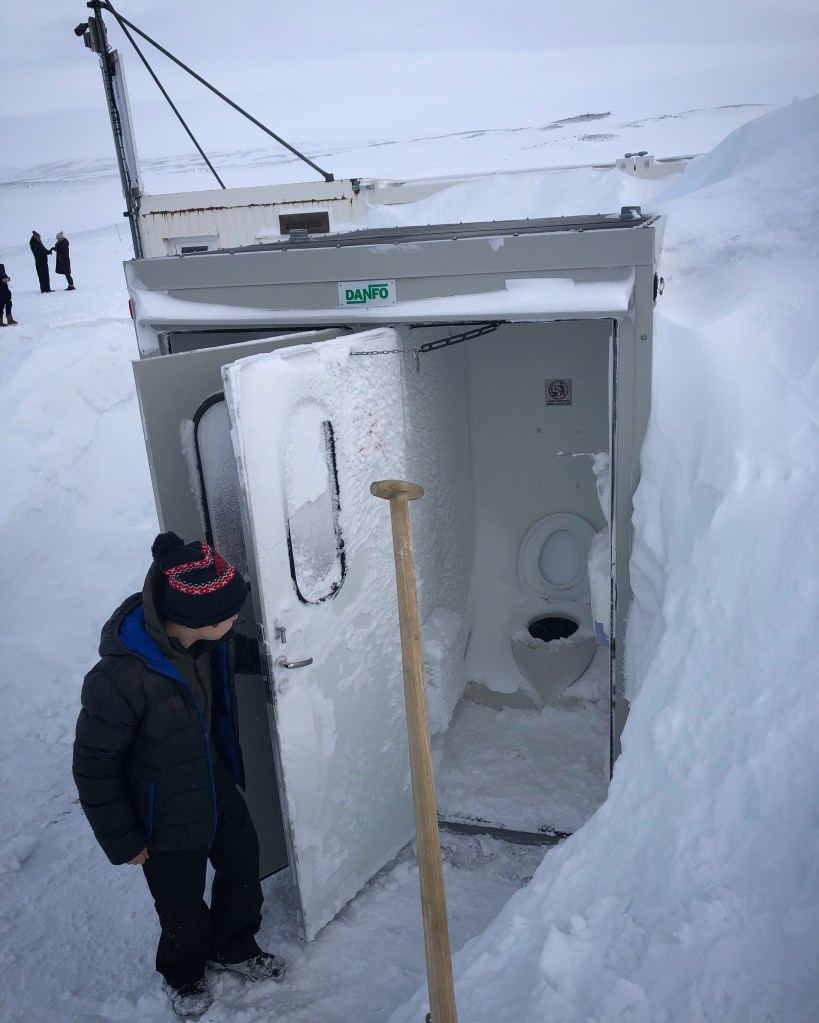
We rode across bumpy lava fields and briefly stopped at the edge of Langjökull at Klaki base camp for photos, snowball fights and the toilet if you dared!
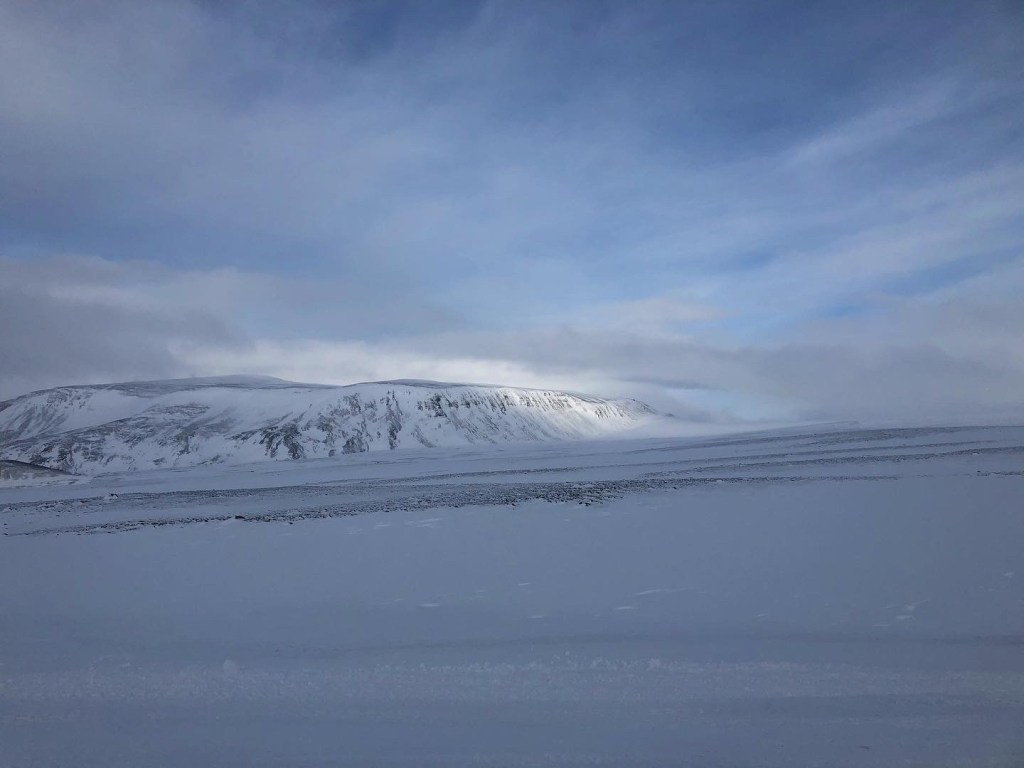
We then headed up and onto the ice cap proper where the weather had already started to turn. We didn’t give this a second thought as we headed, crampons on, into the glacier to explore the man-made tunnels. The temperature inside the glacier hovers at 0°C (32°F) so felt a relatively warm in comparison to outside and our guide took us through the various tunnels for a fascinating and educational tour. We saw natural crevices, kissed a glacier to show how much we value them in the face of climate change and even witnessed a marriage proposal in the Chapel tunnel.
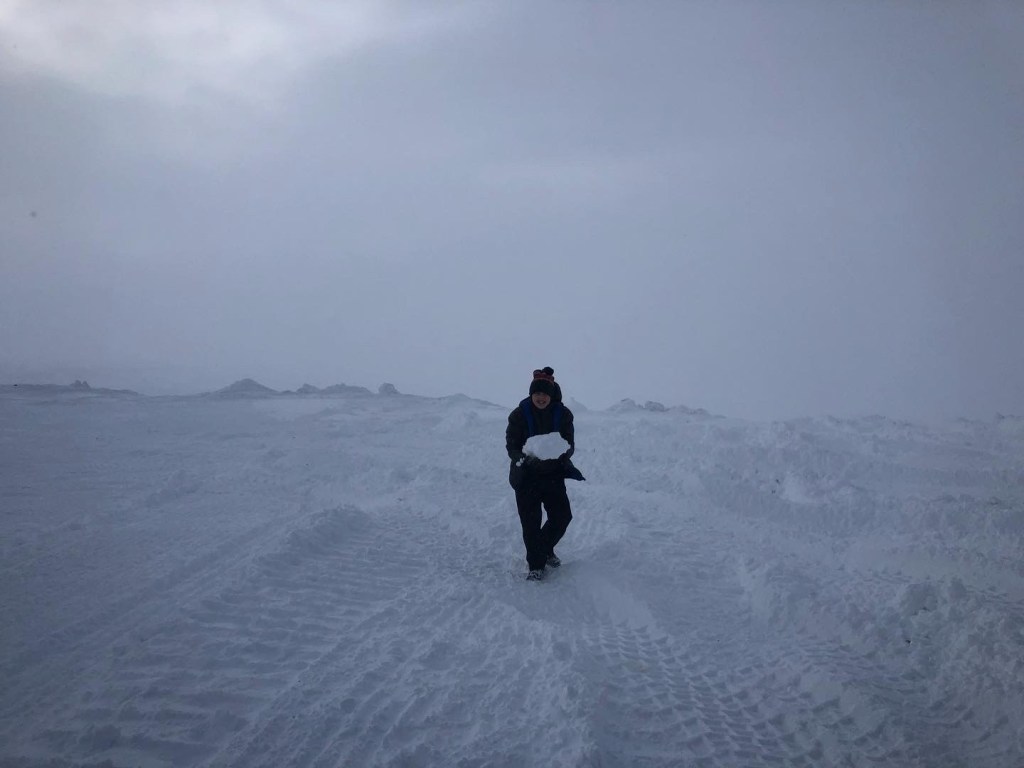
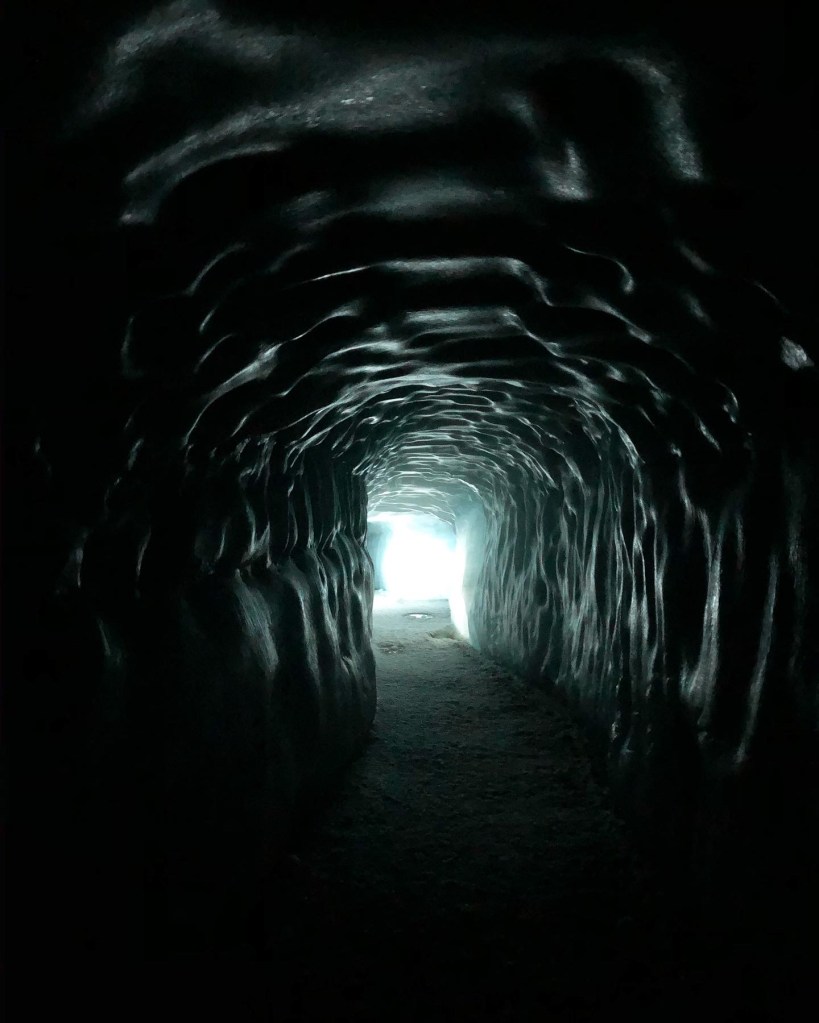
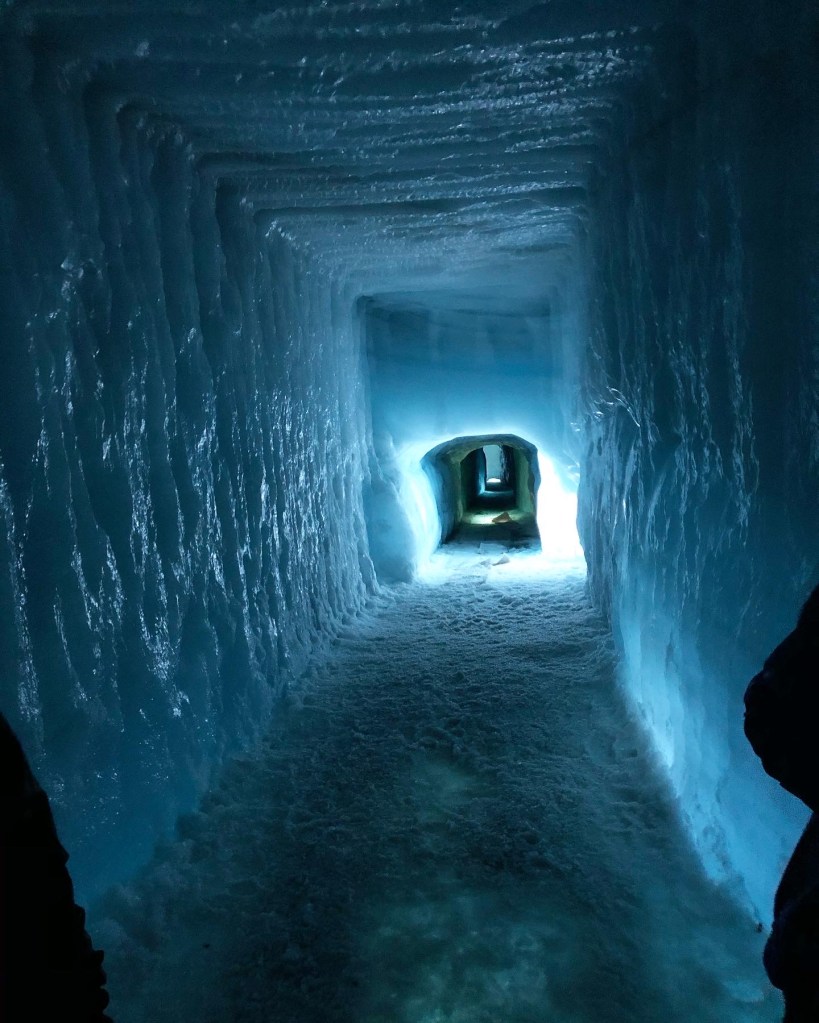
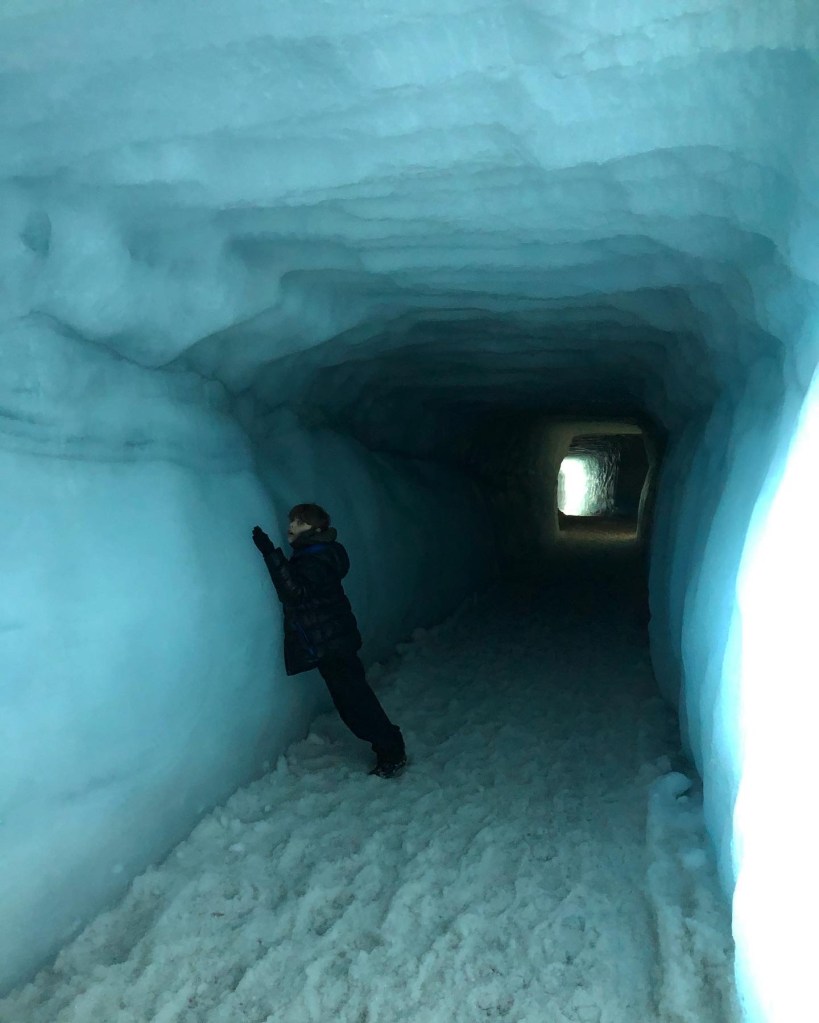
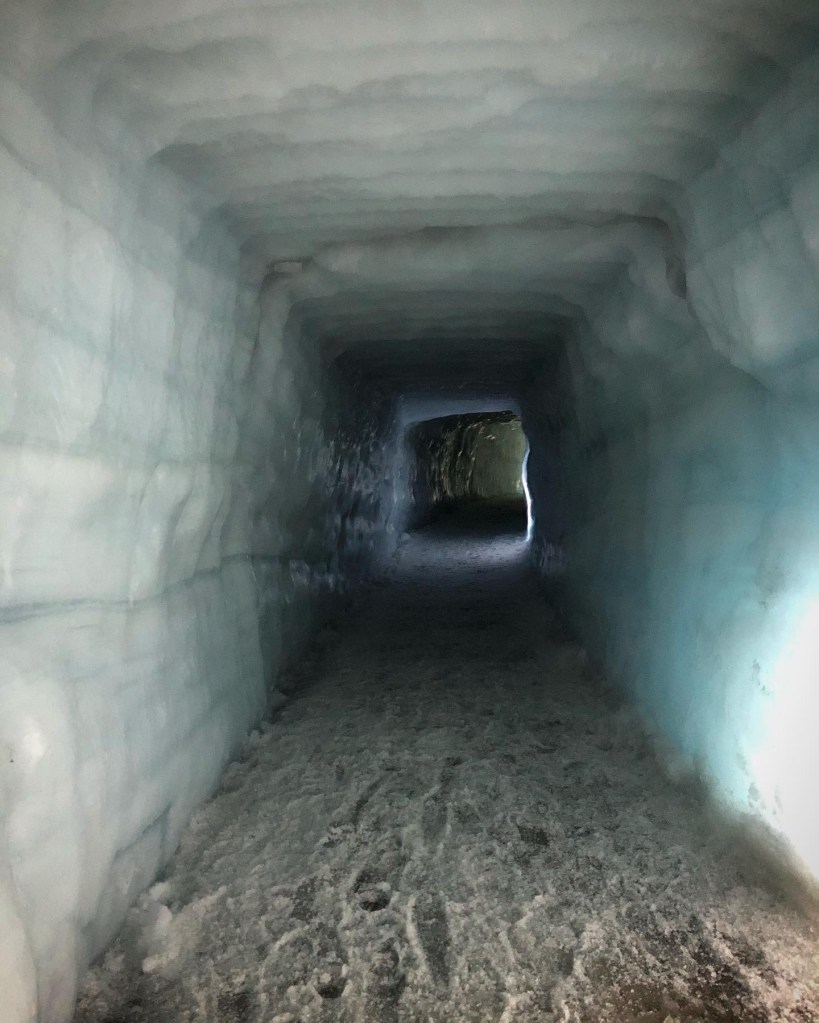
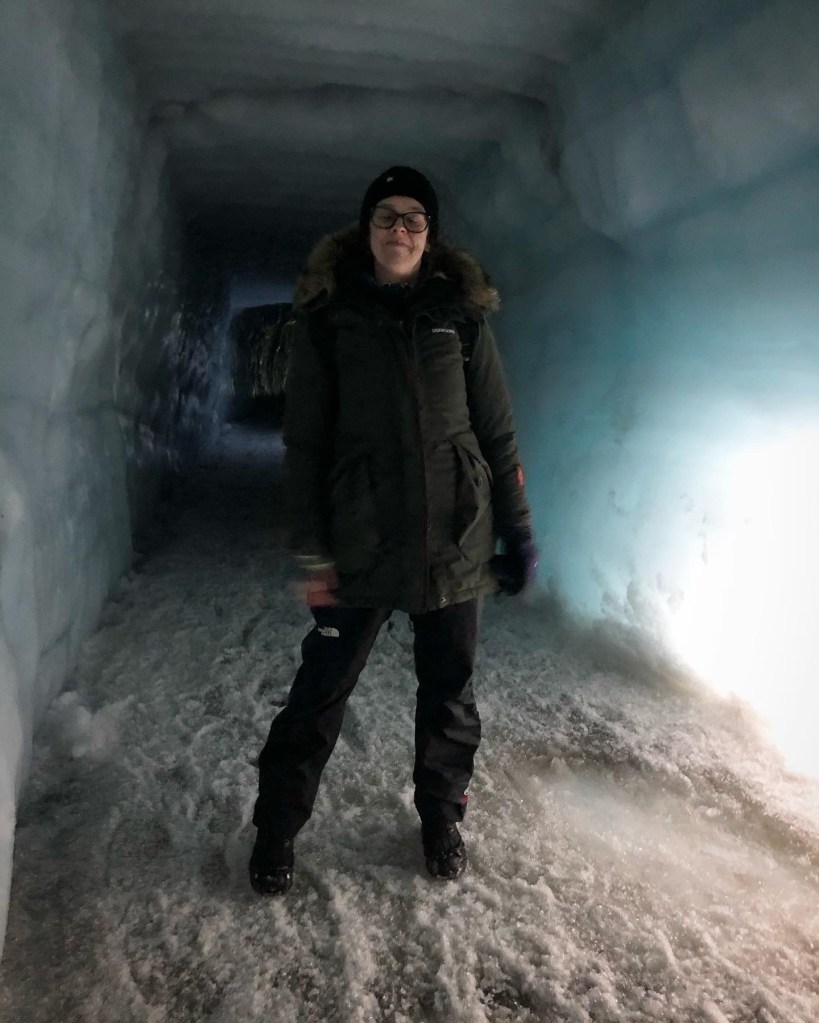
We popped back out an hour later to a complete white out and could just about make out ICE2 through the blizzard. The journey back down the glacier was a tad precarious and lengthy but the bad-ass Icelandic lady driver got us down safely via GPS and some most excellent skills. The all you can eat buffet and endless supply of pizza at Húsafell bistro was not only needed but very tasty and good value for money. It kept us going for the 2+ hour drive back to our much needed Reykjavík beds.
Geo-thermal Pool
The final experience of our trip was also one of our most memorable. Rather than go to the very touristy and pricey Blue Lagoon we kept it real and visited Sundhöllin – Reykjavík’s oldest geothermal swimming pool that opened in 1937. Only a 5 minute walk from our hotel and a bargain £7.50 for the two of us, Sundhöllin has great facilities with indoor and outdoor pools, numerous hot pots, kids splash area, saunas and for the brave an ice bath.
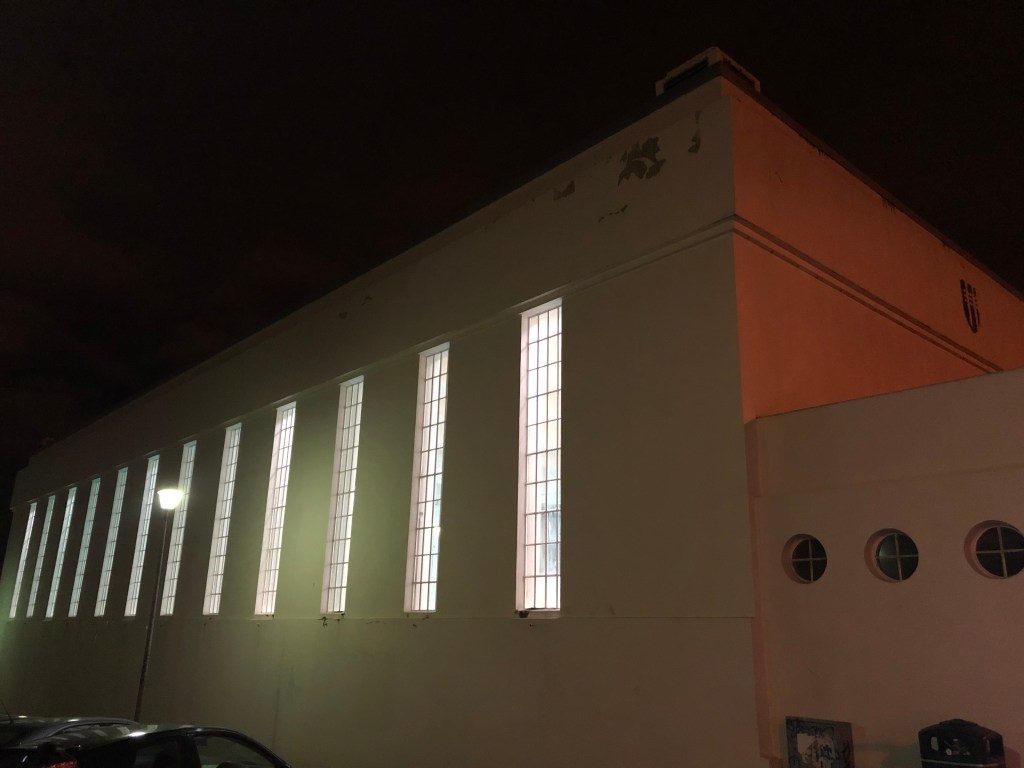
It was such a great way to spend our last evening, relaxing our tired legs in the hot soothing water, looking up at the cold night sky and running the cold gauntlet between pools and the changing rooms. We wished we’d done this every day and now appreciate why Icelanders regard communal bathing as a civil right and it is so deeply rooted in their culture.
There a few basic pool rules that everyone must follow which are bit different to the UK:
- store your shoes before entering the single sex changing rooms (children over 6 years are expected to use the correct facilities)
- wash naked and thoroughly before putting on your swimmers and entering the pool – this keeps the amount of chlorine required to a minimum.
- keep your dry towels in the cubbies
- don’t stare but certainly join in the conversations with the locals in the communal pools – typical way to catch up on the day with each other.
#TWMT Tip – visiting a geo-thermal pool is an absolute must whilst in Iceland. Using a local pool is a great and cheaper way of experiencing a bit of authentic Icelandic culture. Just make sure you follow the rules, chill out about nudity and you’ll have a brilliant relaxing experience.
The Food
Reykjavík offers a wide variety and high quality food, however, like everything in Iceland it’s expensive due to the hefty import taxes. Iceland surprisingly does however, grow a lot of its own produce in state-of-the-art greenhouses heated with its bountiful geothermal energy.
As much as we were tempted by the high-end restaurants serving what looked like amazing local foods (freshly caught fish, organic lamb etc.), we tried to keep it as cheap as possible but still managed to avoid the few ubiquitous chains (KFC, Dominos, Subway) that have crept in. Uniquely, there isn’t a single McDonalds in the country, although there used to be until the financial crash when the chain packed up never to be seen again – hallelujah!
#TWMT Tip – drinks in Iceland are extortionate so why not detox and drink some of the purest most delicious water on the planet free from the cold tap. Otherwise be prepared to spend about £10 on a pint of local Gull or Viking lager and £2-3 for a can of Coca-Cola/Icelandic soft drinks. Just don’t buy bottled water – that’s just insane and really not environmentally friendly.
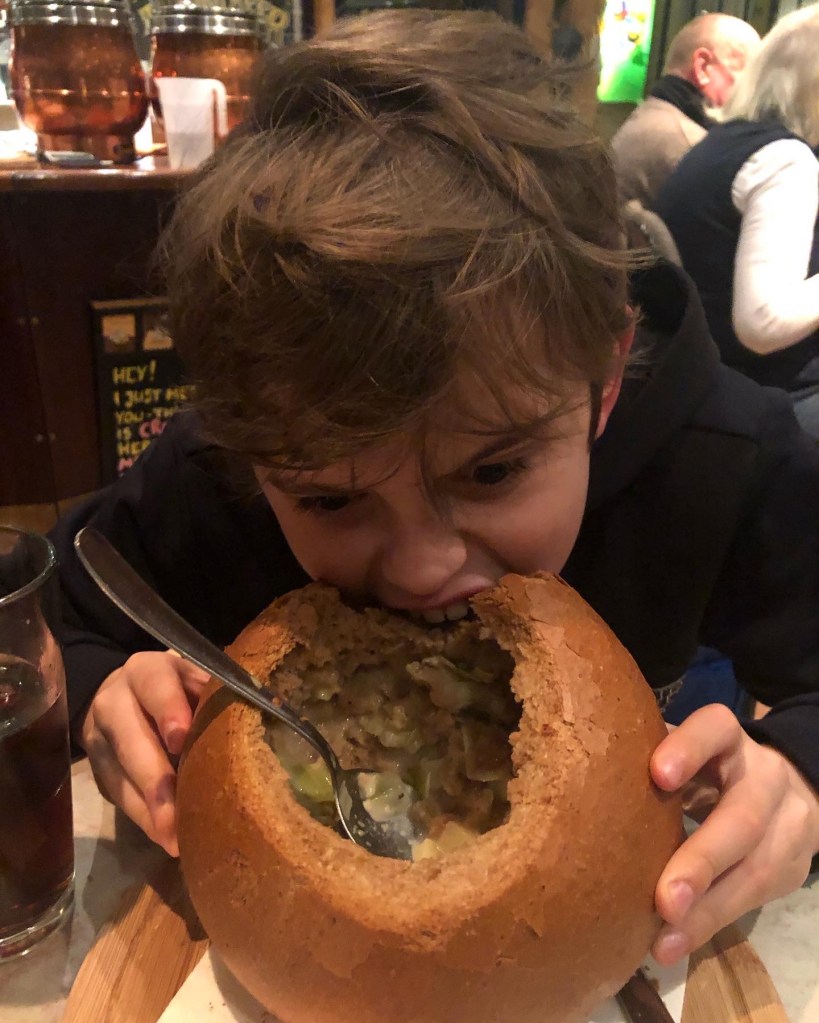
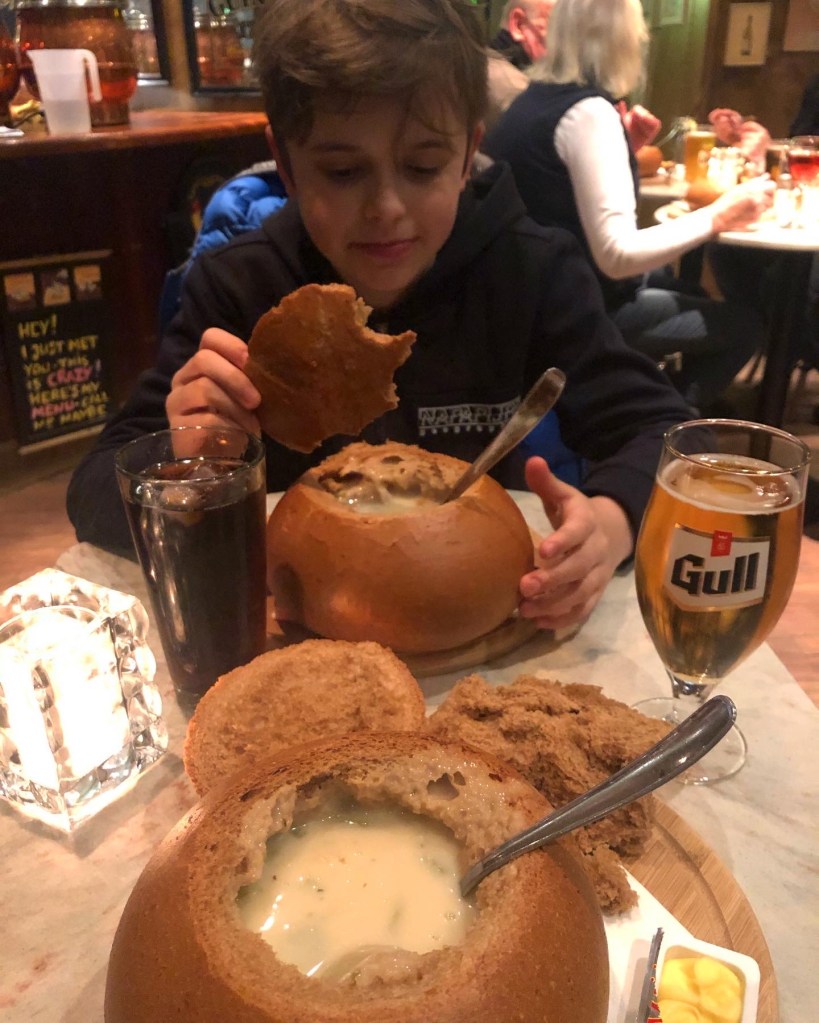
The best and most reasonable meal we had was at Svarta Kaffid – the small family run and original “soup in bread” restaurant in Iceland. After a long journey and traipsing around in the snow the warming vegetable soup served in a huge bread roll was sublime simplicity itself and much better than we tried elsewhere (despite the reviews we didn’t rate Icelandic Street Food). Two soup bowls, a coke and half-pint Gull lager came to about £32 and filled us right up.
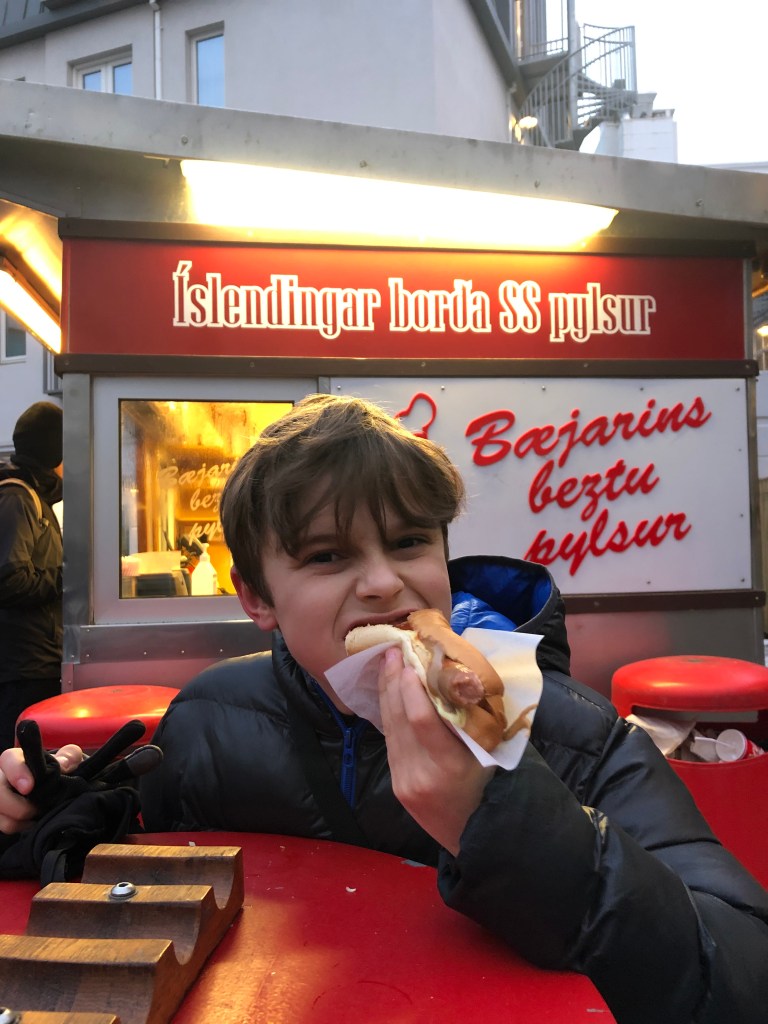
Icelandic hot dogs made from organic Icelandic lamb, pork and beef are also a cheap must try. The best are found down by the harbour at Bæjarins Beztu Pylsur (literally translates as best hot dogs in town) open since 1937. To get the full experience ask for one with everything: topped with raw and fried onions, ketchup, remoulade and pylsusinnep – a sweet brown mustard. Two dogs and a soda cost us £7.50 and were addictive, we even had some for breakfast in the departure lounge to get our fill!
#TWMT Tip –Icelanders love sauce and everything comes sauce heavy. If you’re not so saucy just order without or on the side.
Other places to get a reasonable meal include:
- Reykjavík Chips where a large cone of their scrummy fries to share will set you back about £6.50.
- Le Kock where you can get a decent meal of two burgers, loaded fried baby potatoes, a soda and milkshake for about £35. The Deig bakery next door served scrummy looking donuts, but we were too full to sample these…next time!
- Hlemmur Mathöll food hall where we shared probably the most expensive but tasty tacos with a soda cost £17. (There’s a similar food hall in the Old Harbour called Grandi Mathöll)
- Brauð & co the artisan bakery has few locations in Reykjavík and elsewhere and sells excellent cinnamon rolls.
- Bonus minimarkets are the most economical place to buy snacks and food souvenirs like Omnom chocolate, liquorish and dried fish if that’s your thing.
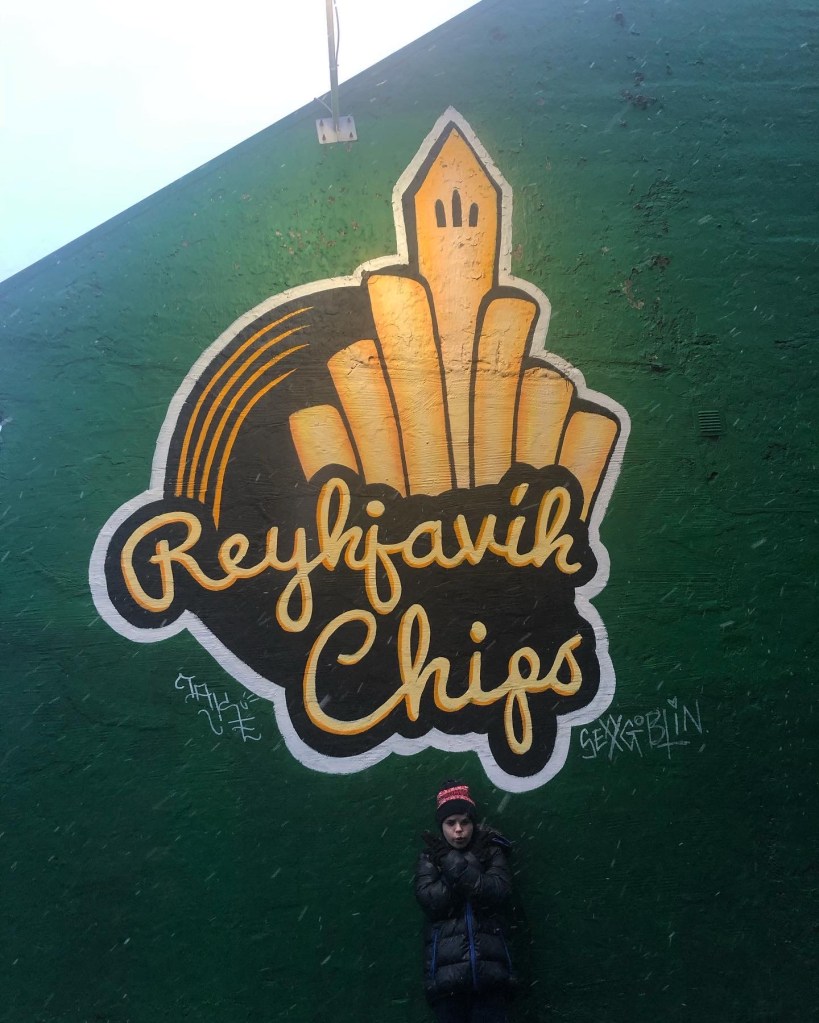
Reykjavík Chips 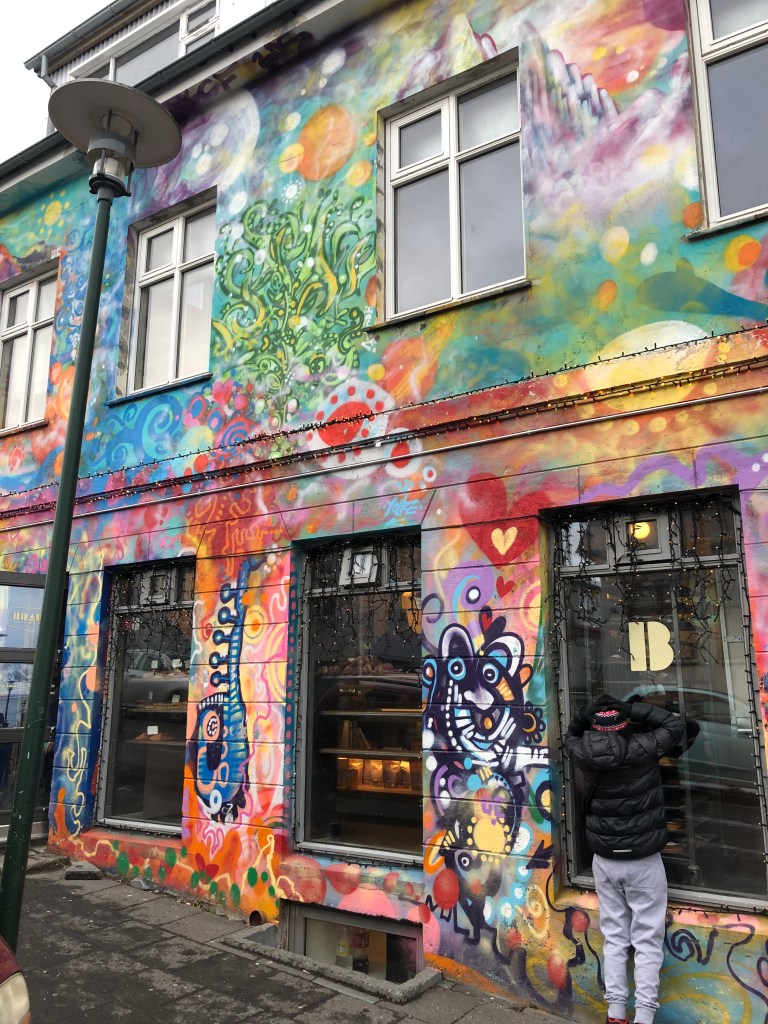
Brauð & co
#TWMT Tip – stay in hotel that includes a decent breakfast in its rate and you can save yourself a small fortune by filling up during the first meal of the day.
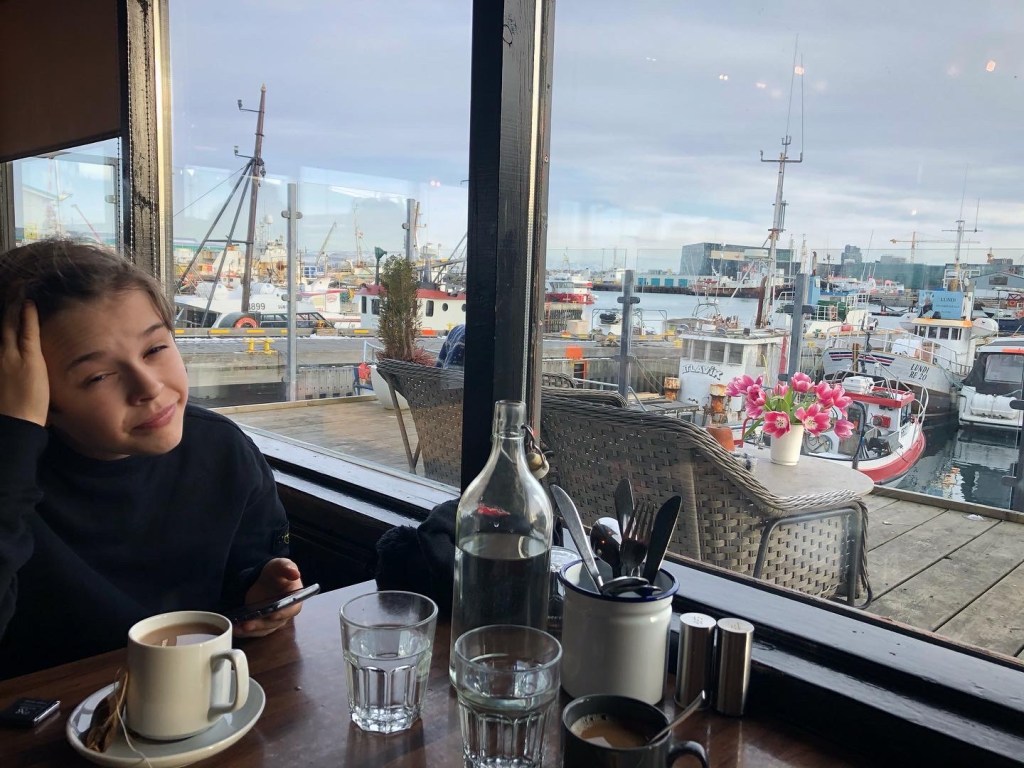
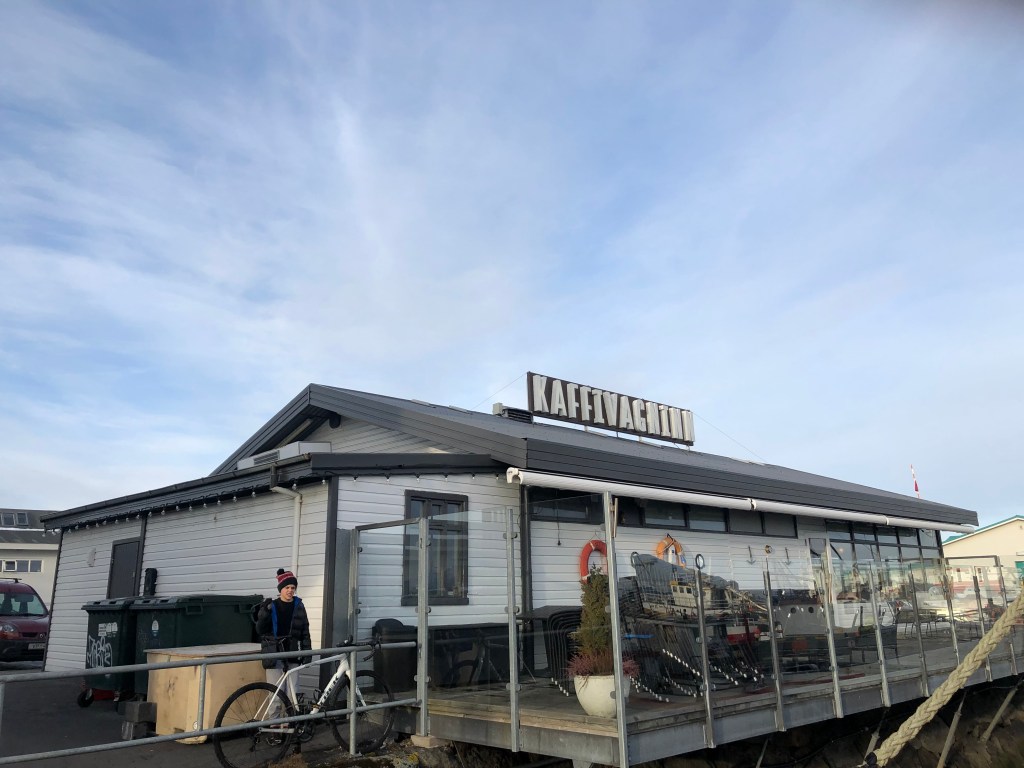
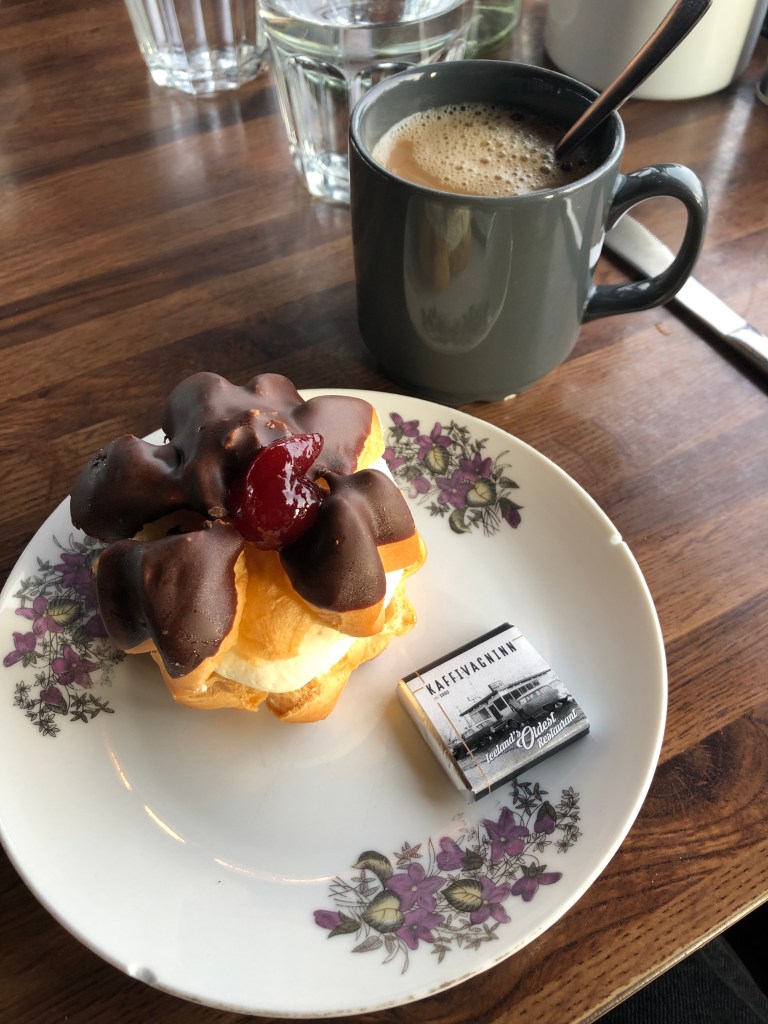
I had many ‘I could live here moments’ during our trip but a late afternoon coffee at Kaffivagninn, Iceland’s oldest restaurant, sat alongside the harbour with its nice mix of tourists, locals and old-time ambience felt like home. I tried a traditional vatnsdeigsbollur bun as that’s what the older Icelandic gentlemen were eating whilst reading their newspapers – something I imagined they have done every day for years. These gorgeous cream and jam filled choux buns are really rather good and are traditionally eaten on Bolludagur ‘Bun Day’ that is celebrated the Monday before Lent– a bit like our pancakes on Shrove Tuesday.
I also now have an addiction for Icelandic rúgbrauð (rye bread) smeared with butter and have since attempted to recreate this at home – see my Thunder Bread recipe.
We ran out of time to try out Kaffi Loki’s traditional Icelandic cuisine platters that include rye bread ice cream and Hákarl (fermented shark) washed down with Brennivín (Black Death) the national spirit of Iceland. Maybe that was for the best!?!
Practicalities
Given the wintery conditions we opted for a package over a self-drive tour with Tui flying out of Bristol into Keflavik Airport, which is about 45 mins coach transfer to the centre of Reykjavik – our base for four nights.
We stopped at the centrally located Hotel Skuggi only a few minutes walk from all the main attractions and the main shopping/eateries on Laugavegur. Skuggi was also helpfully only 30 seconds walk away from Bus Stop No.9 where all our coach trips departed.
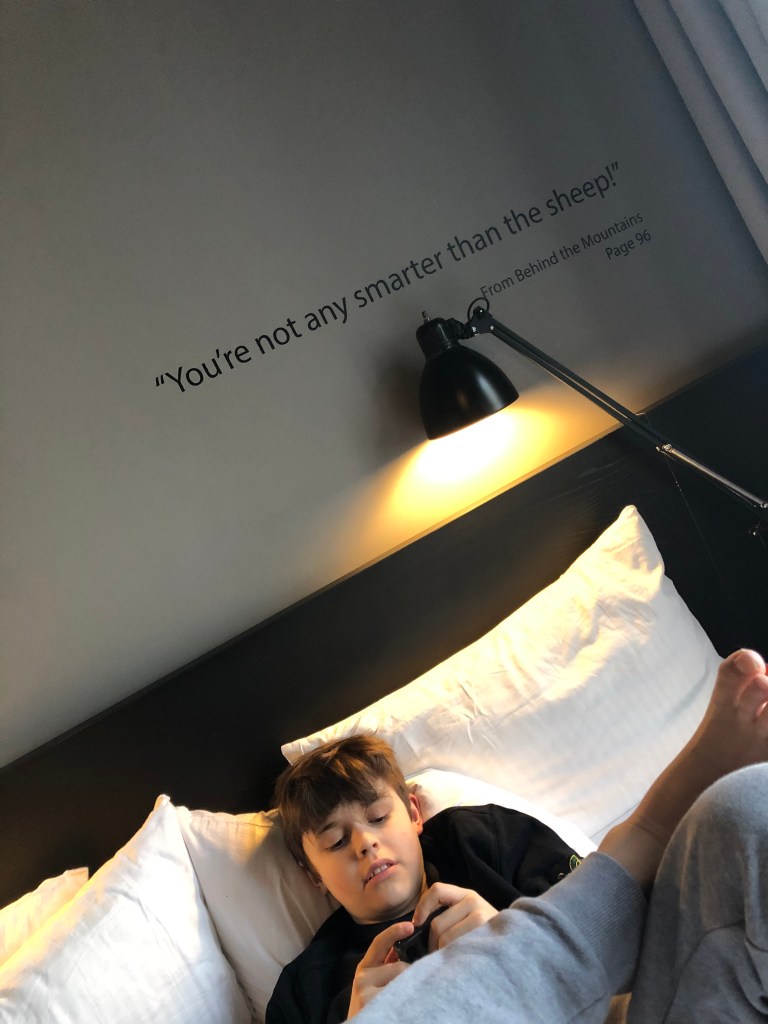
Our room was more than adequate for the amount of time spent in there, some reviewers have moaned about the dark colour scheme and low lighting, but we thought it was stylish and relaxing. More about the room if you are thinking of stopping there:
- large comfy double bed but with separate duvets.
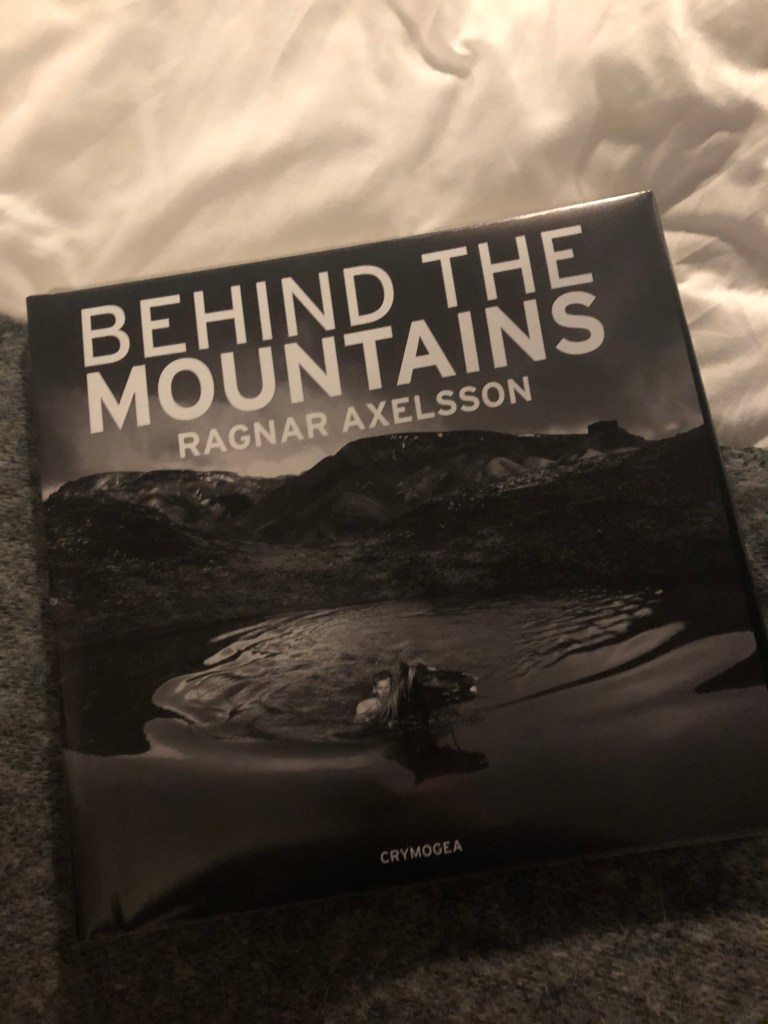
- each room has a copy of Ragnar Axelsson’s wonderful photography book Behind the Mountains with an excerpt on the wall in each room. Ours was: “You’re not any smarter than the Sheep” which I thought was rather apt!
- smallish bathroom but a nice walk in shower with rainforest shower head and plenty of hot water.
- lovely and warm – you don’t really need the heating on at all.
- Usual amenities: tea/coffee making, hairdryer, towels, tissues, shower gel/ soaps and excellent free WiFi.
#TWMT Tip – if staying at Hotel Skuggi ask for a 3rd or 4th floor room facing the inner courtyard as much quieter (the snow tires on the vehicles don’t half make a din!). Some of the 4th floor rooms have a partial view of the sea/mountains but to be honest you see that every time you look down the pretty streets anyway.
Useful Links
If you want to read more about Iceland and its culture we recommended:
No wonder Iceland has the happiest people on earth
The 10 Weirdest Things About Icelanders (also watch the video)
Thanks for reading, we hope you found it interesting and helpful. There’s so much more we want to discover in this weird and wonderful country and are already planning our next visit. (Please note that TWMT visited Iceland in February 2020 so some of the prices and details given may have changed)

 Travels With My Teen